


A reliable broadcast network is the foundation of any modern production environment. Whether delivering live events, managing remote production workflows, or distributing content across platforms, the performance of your network directly impacts video quality, latency, and overall reliability.
Broadcast network design services ensure that all components — from cameras and encoders to transmission systems and production infrastructure — are connected through a stable, scalable, and efficient network.
In this guide, we break down what broadcast network design services include and why they are essential for professional broadcasting.
What Is Broadcast Network Design?
Broadcast network design involves planning, building, and optimizing the network infrastructure that supports video production and transmission.
This includes:
Data flow between field and studio
Connectivity between production systems
Bandwidth allocation for video and audio signals
Redundancy planning for reliability
A well-designed network ensures that all systems work together seamlessly during live production.
Key Components of Broadcast Network Design Services
1. Network Assessment and Requirements Analysis
Every project begins with understanding the specific needs of the organization.
This includes:
Type of production (news, sports, events, corporate)
Number of video sources and destinations
Required video quality (HD, 4K, etc.)
Expected network load and traffic
This step ensures the network is designed to meet both current and future demands.
2. Infrastructure Design and Architecture
Once requirements are defined, the network architecture is designed.
This includes:
Network topology (how systems are connected)
Selection of routers, switches, and servers
IP-based workflow integration
Cloud and hybrid infrastructure planning
Modern broadcast networks often use IP-based systems to support flexible and scalable workflows.
3. Bandwidth Planning and Optimization
Video transmission requires significant bandwidth, especially for high-resolution content.
Network design services include:
Calculating bandwidth requirements
Allocating resources for different workflows
Optimizing data flow to reduce latency
Ensuring stable performance during peak usage
Proper bandwidth planning prevents congestion and signal loss.
4. Redundancy and Failover Planning
Reliability is critical in live broadcasting.
Network design services include building redundancy into the system:
Backup network paths
Secondary internet connections
Failover systems for critical components
Load balancing across multiple networks
These measures ensure continuous operation even in case of network failure.
5. Integration with Broadcast Equipment
The network must support all production equipment.
This includes integration with:
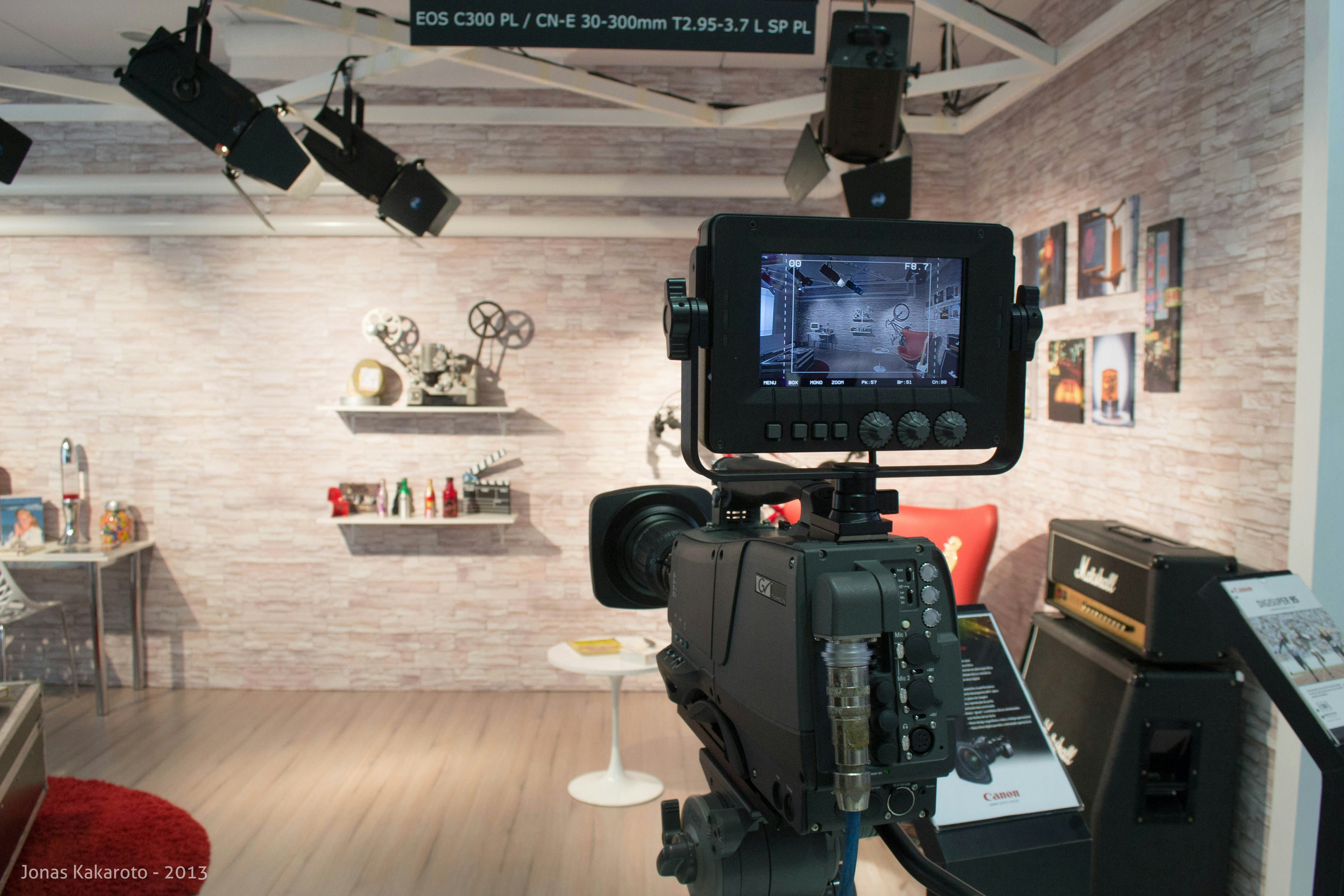
Cameras and video encoders
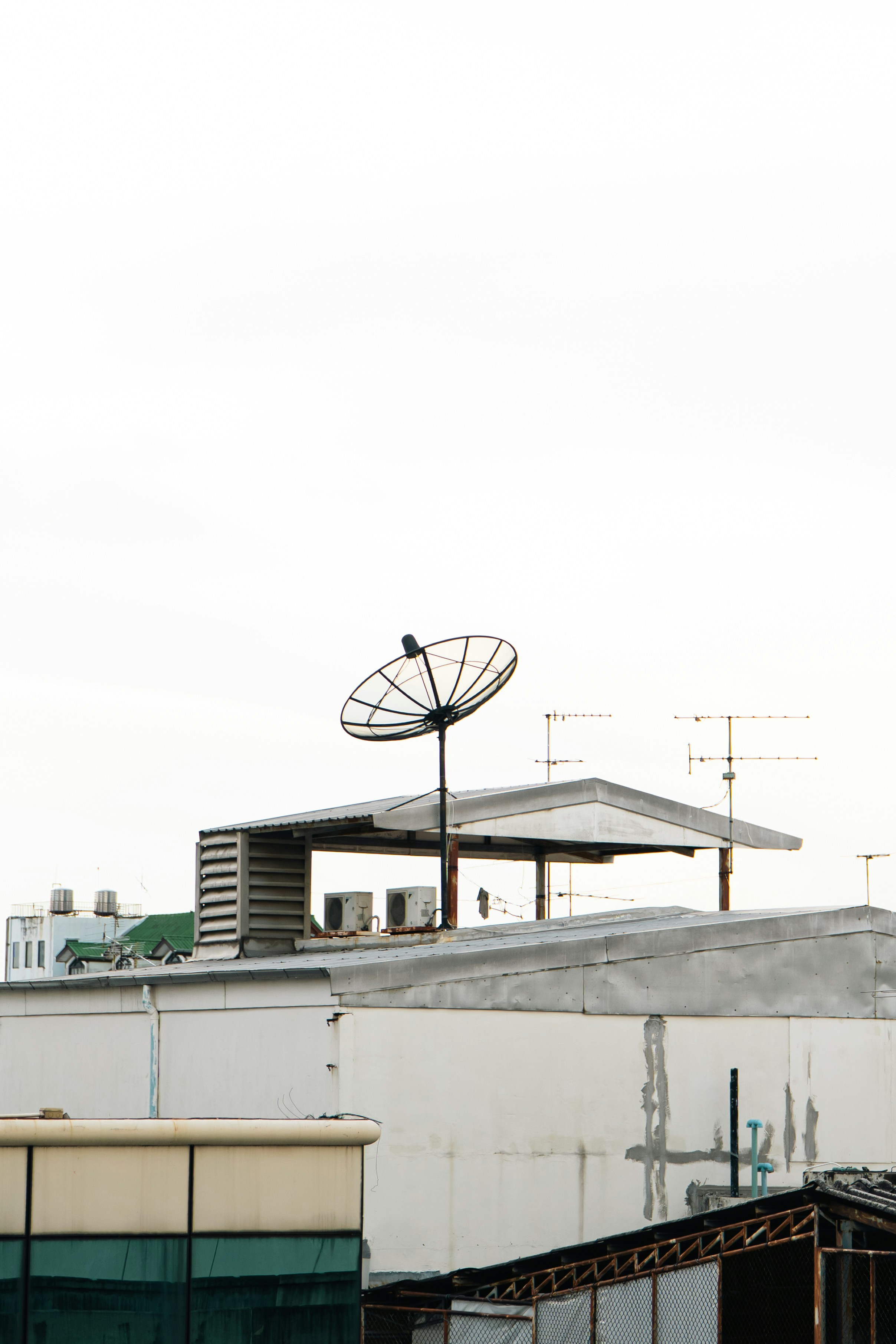
Transmission systems
Production switchers
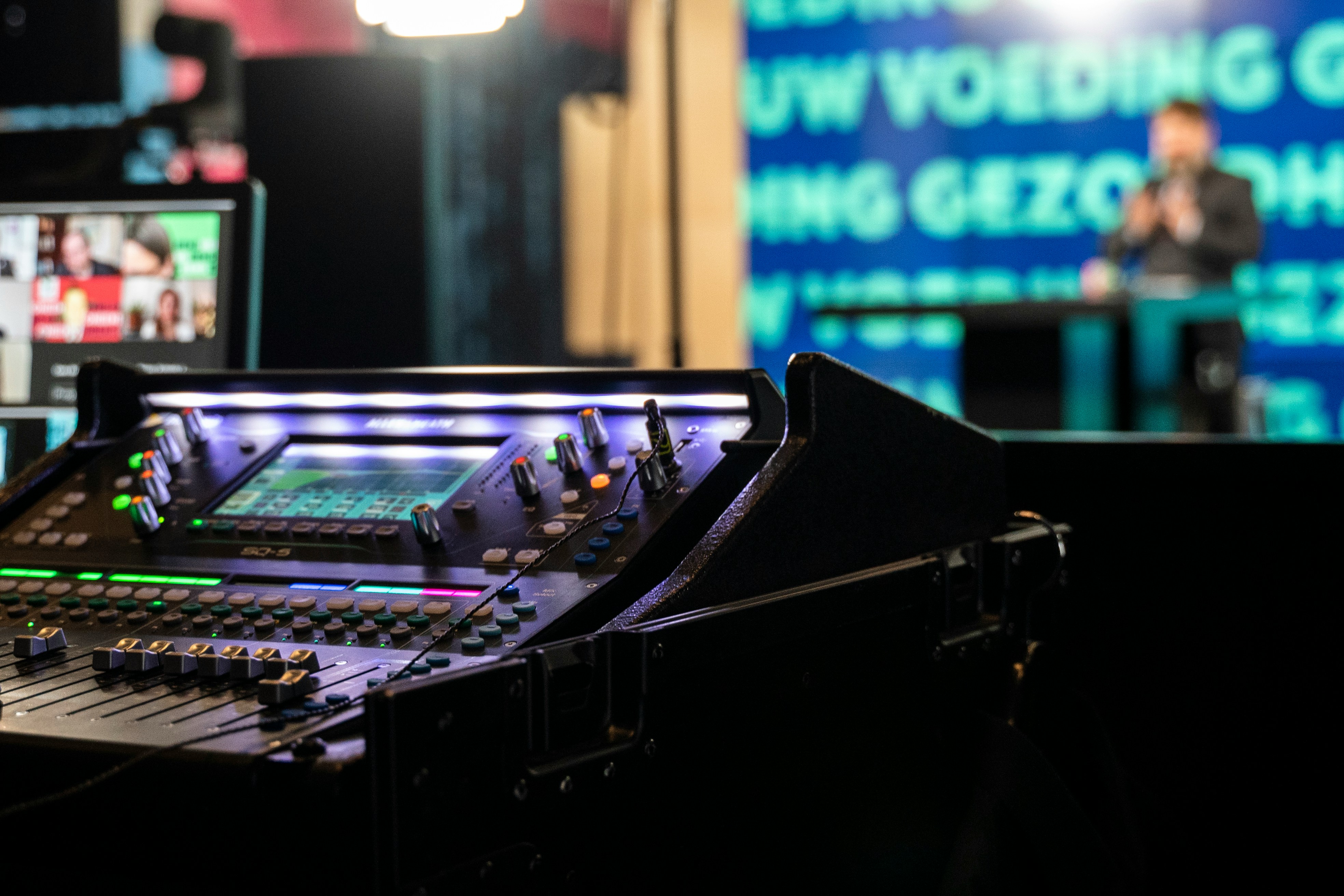
Monitoring and control systems
Solutions from LiveU can be integrated into the network to provide reliable field-to-studio contribution using cellular bonding technology.
6. Security and Access Control
Broadcast networks often handle sensitive content and must be secured.
Network design includes:
Firewall configuration
Secure access control systems
Data encryption for video transmission
Protection against unauthorized access
Security ensures content integrity and system stability.
7. Installation and Configuration
Once the design is complete, the network is implemented.
This includes:
Hardware installation
System configuration
Connectivity testing
Performance validation
Proper setup ensures the network performs as expected under real-world conditions.
8. Monitoring and Maintenance
Ongoing monitoring is essential for maintaining performance.
Services may include:
Real-time network monitoring
Performance analytics
Troubleshooting and support
System updates and optimization
This ensures long-term reliability and efficiency.
Benefits of Professional Broadcast Network Design
Improved Reliability
A well-designed network minimizes downtime and ensures consistent broadcast performance.
Low Latency Performance
Optimized networks reduce delays, which is critical for live production and real-time switching.
Scalability
Systems can be expanded easily to support additional cameras, locations, and workflows.
Cost Efficiency
Proper planning reduces unnecessary equipment costs and prevents expensive reconfigurations in the future.
Why Professional Expertise Matters
Broadcast networks are complex systems that require a deep understanding of both IT infrastructure and broadcast workflows.
Poorly designed networks can result in:
Signal loss or interruptions
High latency
Inconsistent video quality
System integration issues
Sourcenet Systems Limited provides professional broadcast network design services, ensuring that media organizations, production teams, and enterprises have reliable and scalable infrastructure tailored to their needs.
Conclusion
Broadcast network design is a critical part of building reliable and scalable production systems. From initial planning and architecture to integration and ongoing support, each step plays a role in ensuring smooth and efficient broadcasting operations.
As production demands continue to grow, investing in a well-designed network ensures long-term performance and flexibility.
If you are planning to design or upgrade your broadcast network, **Sourcenet Systems Limited can help you build a solution tailored to your production environment.
Contact us to discuss your requirements or request a quote for professional broadcast network design services.**