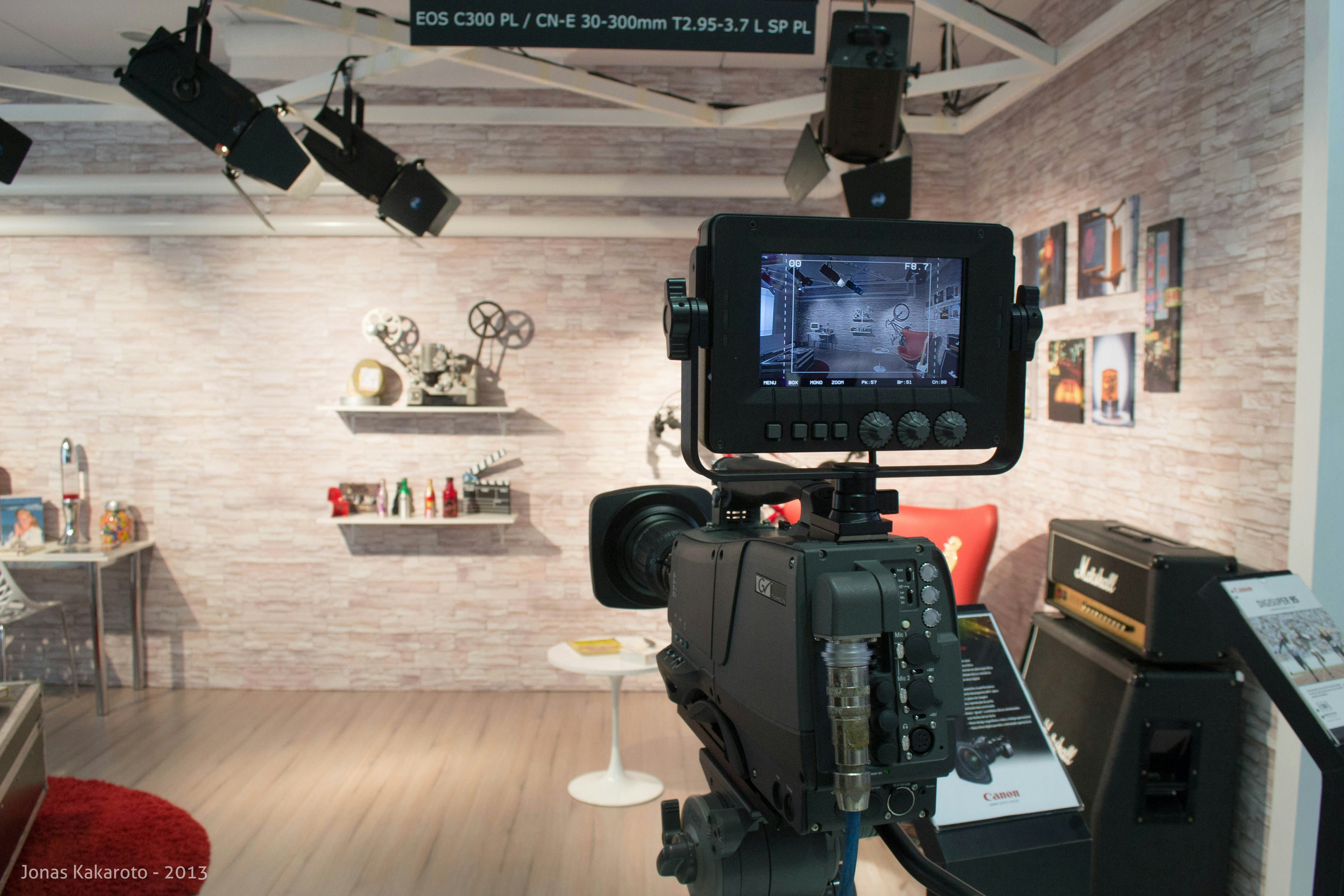



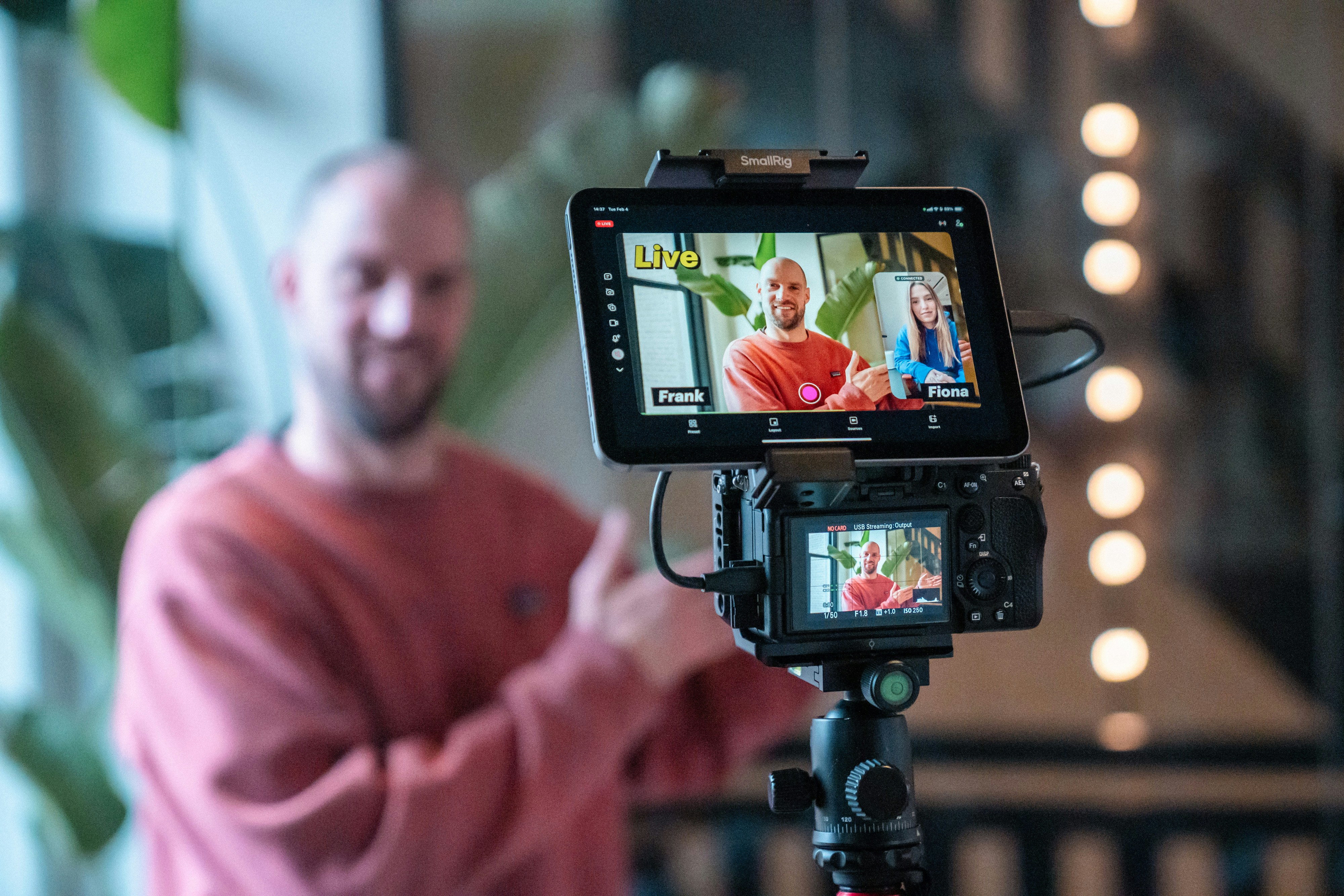
Reliable live broadcasting depends heavily on stable internet connectivity. In live production environments, weak or unstable connections can result in buffering, signal drops, latency issues, or complete transmission failure.
Traditional broadcast transmission methods such as satellite and fiber remain effective, but they are often expensive, difficult to deploy quickly, and less flexible for modern field production workflows.
This is why cellular bonding has become one of the most important technologies in modern live broadcasting.
Using bonded transmission systems, broadcasters can combine multiple internet connections into a single, more reliable stream capable of supporting professional live video transmission from almost any location.
Sourcenet Systems Limited provides cellular bonding solutions and broadcast workflow integration designed to support reliable live production environments.
What Is Cellular Bonding?
Cellular bonding is a transmission technology that combines multiple internet connections into one unified data connection.
Instead of relying on a single network, bonded systems aggregate:
Multiple cellular connections
WiFi networks
Ethernet connections
This creates a stronger and more resilient transmission path for live video.
Solutions from LiveU are widely used in broadcast environments because they are designed specifically for live video contribution and remote production workflows.
How Cellular Bonding Works
1) Video Capture
A camera captures live video from the field or production location.
2) Encoding and Data Splitting
The video feed is sent to a portable transmission unit where it is:
Encoded into a digital stream
Divided into smaller data packets
3) Simultaneous Multi-Network Transmission
The transmission unit sends these packets across multiple available connections simultaneously.
These may include:
4G and 5G cellular networks
WiFi
Ethernet
Because the data travels across multiple networks at once, transmission reliability improves significantly.
4) Signal Reconstruction
At the receiving end, the system reassembles all incoming packets into the original live video feed.
This reconstructed signal is then routed into:
Studio production systems
Remote production environments
Streaming platforms
Broadcast distribution systems
Why Cellular Bonding Is Reliable
Network Redundancy
If one network becomes unstable or fails, the remaining networks continue carrying the transmission.
This minimizes the risk of broadcast interruption.
Bandwidth Aggregation
Combining multiple networks increases available bandwidth, helping support:
HD video transmission
4K workflows
Multi-camera contribution
Dynamic Traffic Management
Modern bonded transmission systems automatically adjust how traffic is distributed across networks based on network performance.
This improves overall transmission stability.
Where Cellular Bonding Is Used
News and Field Reporting
Journalists can go live quickly without satellite trucks or fixed infrastructure.
Sports Broadcasting
Sports production teams use bonded transmission for:
Sideline cameras
Outdoor coverage
Remote contribution workflows
Event Broadcasting
Live events and conferences benefit from portable, fast-deployment transmission systems.
Remote Production
Cellular bonding enables field cameras to connect directly into centralized production environments.
This supports remote production workflows with fewer on-site resources.
Benefits of Cellular Bonding for Broadcasting
Faster Deployment
Crews can set up and go live within minutes.
Greater Flexibility
Broadcast from locations where fiber or satellite access may not be available.
Reduced Operational Costs
Minimize dependence on large infrastructure deployments such as OB vans.
Scalable Production Workflows
Expand workflows across multiple locations and production environments.
Equipment Used in Cellular Bonding Workflows
Typical setups include:
Portable bonded transmission units
Broadcast or PTZ cameras
Multi-network SIM configurations
Remote production systems
Cloud production platforms
Portable systems allow teams to move quickly while maintaining professional broadcast quality.
Why Professional Integration Matters
Reliable bonded transmission depends on proper configuration and workflow planning.
Important considerations include:
Network selection and optimization
Redundancy planning
Signal routing
Production workflow integration
Professional deployment helps ensure stable performance during live broadcasts.
Sourcenet Systems Limited helps organizations implement cellular bonding workflows optimized for live broadcasting, remote production, and scalable media operations.
Conclusion
Cellular bonding has transformed live broadcasting by enabling reliable video transmission without depending entirely on satellite or fiber infrastructure. By combining multiple networks into a single stable connection, broadcasters can deliver professional live coverage from virtually any location.
This technology continues to play a critical role in modern news, sports, event, and remote production workflows.
If you are looking to implement cellular bonding solutions for your broadcast operations, **Sourcenet Systems Limited can help you design and deploy a workflow tailored to your production needs.
Contact us to discuss your requirements or get a quote for live broadcasting and transmission solutions.
👉 https://sourcenet.co.ke/contact