


Remote production has become a core part of modern broadcasting, enabling organizations to manage live events, sports, and content production from centralized control environments. However, as production demands grow, the ability to scale these systems becomes critical.
A well-designed remote production system should not only meet current needs but also support future expansion without requiring a complete overhaul.
In this guide, we explore how to design scalable remote production systems, the key components involved, and the considerations that ensure long-term performance.
What Is a Scalable Remote Production System?
A scalable remote production system is a setup that can grow in capacity, complexity, and performance without major disruption.
This means the system can:
Support additional cameras and feeds
Handle more simultaneous events
Integrate new technologies and workflows
Expand storage, processing, and distribution capabilities
Scalability ensures that as production requirements evolve, the system remains efficient and cost-effective.
Key Components of a Scalable System
Designing a scalable system starts with selecting the right core components.
Flexible Camera Infrastructure
A scalable camera setup allows you to increase coverage without redesigning the entire system.
Options include:
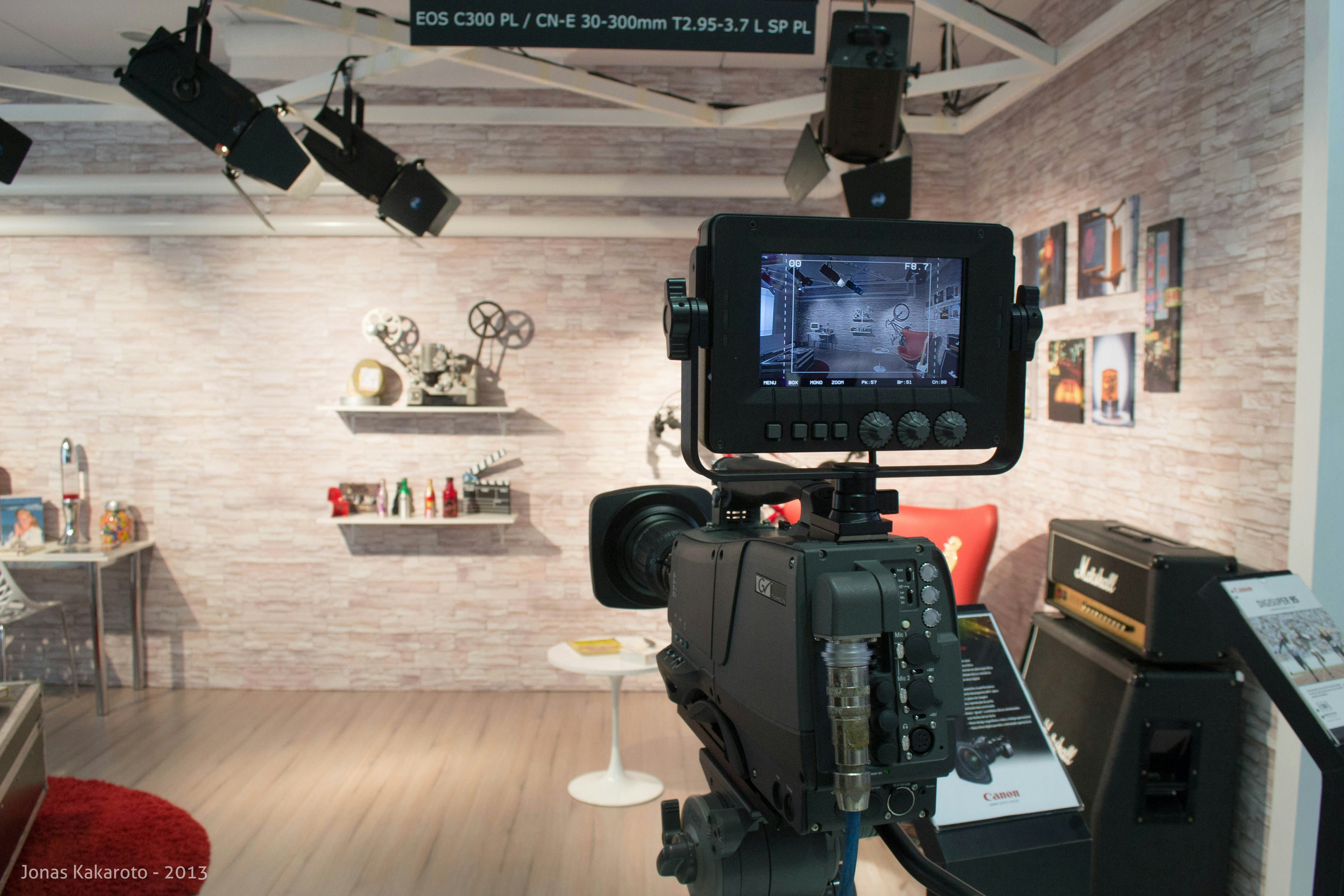
Broadcast cameras for primary coverage
PTZ cameras for remote-controlled expansion
Fixed cameras for consistent wide-angle shots
These can be added incrementally as production needs grow.
Modular Encoding and Transmission
Encoders and transmission systems should support expansion.
Modern systems allow:
Additional input channels
Multi-camera encoding
Integration with IP-based workflows
Technologies from LiveU support scalable contribution by enabling multiple field feeds to be transmitted reliably.
Network Infrastructure and Bandwidth Planning
Scalability depends heavily on network performance.
Key considerations include:
Sufficient bandwidth for current and future needs
Redundant connections for reliability
Network monitoring and management tools
Planning for growth ensures the system can handle increased data loads.
Centralized Production Control
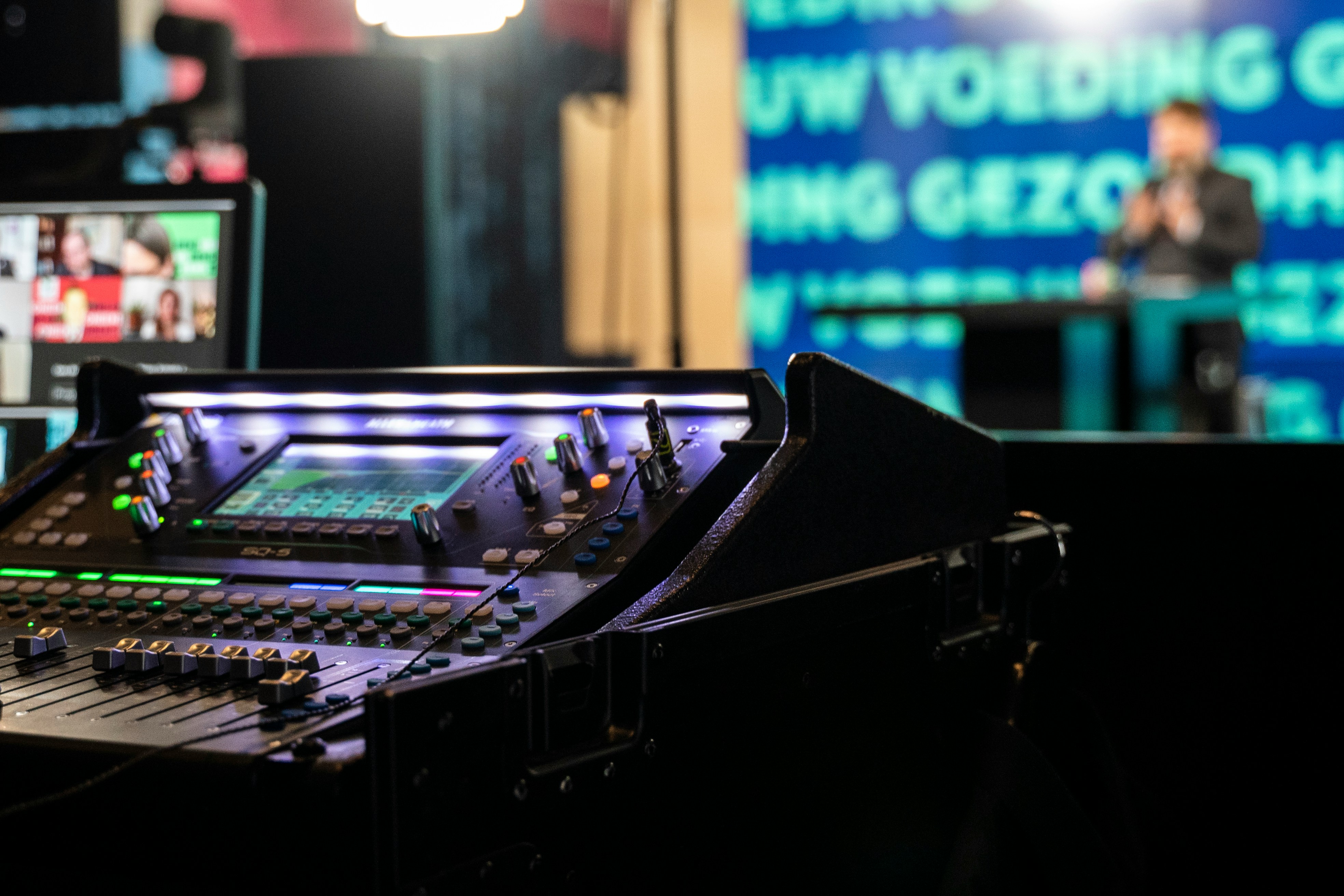
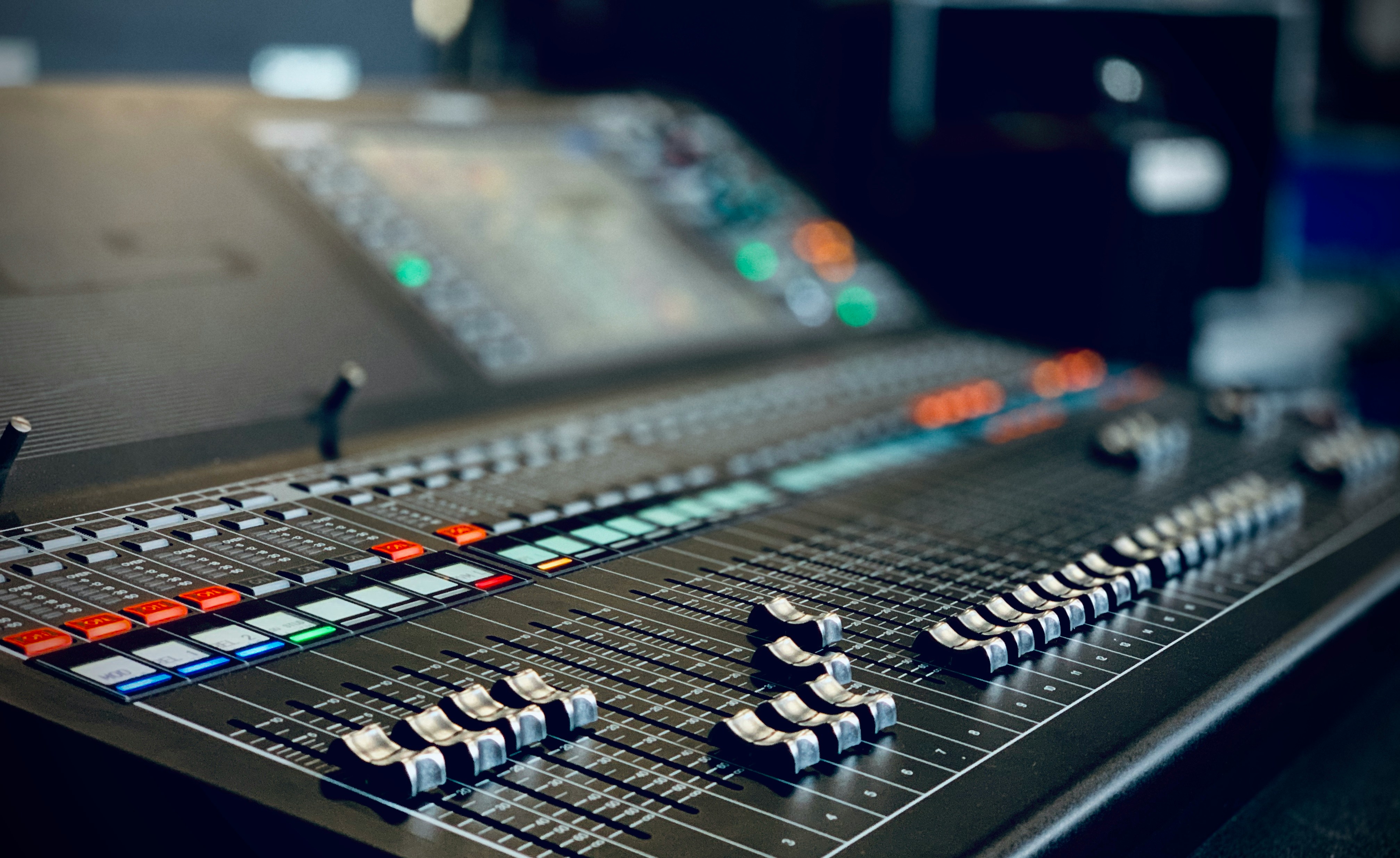
A centralized production hub allows teams to manage multiple events from a single location.
Scalable control systems should support:
Additional input sources
Expanded switching capabilities
Multi-event production workflows
Integration with cloud-based tools
This allows production teams to increase output without increasing complexity.
Storage and Media Management
As production volume increases, so does the need for storage and content management.
Scalable systems should include:
Expandable storage solutions
Cloud-based media management
Backup and redundancy systems
Efficient storage ensures content is accessible and secure.
Designing for Multi-Event Production
One of the key benefits of scalable systems is the ability to handle multiple productions simultaneously.
This requires:
Multi-channel encoding and transmission
Centralized switching and monitoring
Efficient allocation of production resources
Media organizations can cover multiple events without duplicating infrastructure.
Cloud Integration for Scalability
Cloud-based tools play a major role in modern remote production systems.
Benefits include:
On-demand processing power
Flexible storage capacity
Remote collaboration capabilities
Integration with streaming platforms
Cloud integration allows systems to scale quickly without significant hardware investment.
Redundancy and Reliability Planning
Scalability must not compromise reliability.
A well-designed system includes:
Backup transmission paths
Redundant network connections
Failover systems for critical components
Power backup solutions
These measures ensure continuous operation even as the system grows.
Future-Proofing Your Production System
Technology in broadcasting evolves rapidly. Designing for scalability also means planning for future innovation.
Considerations include:
Support for higher video resolutions such as 4K
Integration with emerging IP standards
Compatibility with new production tools
Flexibility to adopt new workflows
Future-proofing protects your investment and reduces the need for costly upgrades.
The Role of Professional System Design
Designing a scalable remote production system requires expertise in broadcast technology, networking, and workflow integration.
Proper system design ensures:
Efficient resource utilization
Smooth integration between components
Reliable performance under increased demand
Long-term scalability
Sourcenet Systems Limited specializes in designing and implementing scalable remote production systems tailored to the needs of media houses, broadcasters, and production teams.
Conclusion
Scalable remote production systems are essential for organizations looking to grow their broadcast capabilities while maintaining efficiency and reliability.
By investing in flexible infrastructure, modular technologies, and centralized workflows, media houses can expand production capacity without increasing complexity.
If you are planning to build or upgrade a remote production system, **Sourcenet Systems Limited can help you design a scalable solution that supports your long-term production goals.
Contact us to discuss your requirements or request a quote for remote production system design and integration services.**