



Delivering live video from the field to a studio is a core part of modern broadcasting. Whether covering breaking news, sports events, or corporate productions, field-to-studio workflows ensure that content captured on location reaches production teams in real time.
With advancements in IP-based transmission and remote production, broadcasters can now achieve reliable, high-quality field-to-studio workflows without relying solely on traditional infrastructure.
In this guide, we break down the equipment and services required to build an efficient field-to-studio broadcasting system.
What Is Field-to-Studio Broadcasting?
Field-to-studio broadcasting refers to the process of capturing video and audio at a remote location and transmitting it to a central studio or production facility.
Once the signal reaches the studio, it is:
Switched between multiple sources
Enhanced with graphics and audio
Recorded and archived
Distributed to TV or streaming platforms
This workflow is essential for real-time content delivery.
Core Equipment Required
Building a reliable field-to-studio system requires several key components working together seamlessly.
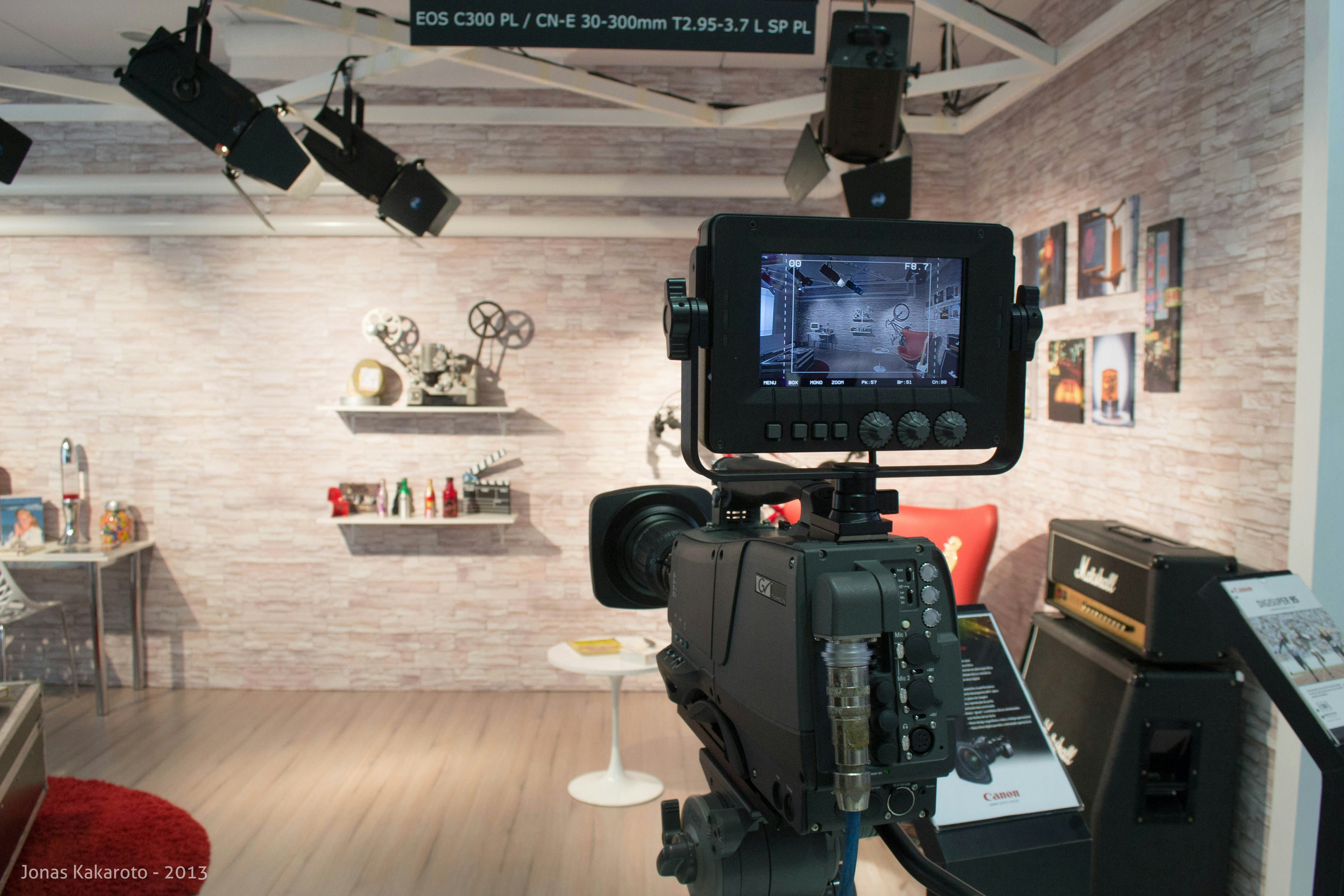
Cameras
Cameras capture video at the field location.
Depending on production needs, setups may include:
Broadcast cameras for high-end production
PTZ cameras for remote-controlled operation
Lightweight cameras for mobile reporting
The choice of cameras depends on the type of broadcast and level of production quality required.
Video Encoders
Encoders convert video signals into compressed digital streams suitable for transmission.
Key features include:
Low latency performance
High-quality compression
Support for HD and 4K video
Encoders ensure that video can be transmitted efficiently without significant quality loss.
Transmission Systems
Transmission is the most critical part of field-to-studio broadcasting.
Common transmission methods include:
Cellular Bonding
Cellular bonding combines multiple mobile network connections to create a stable and high-bandwidth link.
Solutions from LiveU are widely used because they provide reliable transmission in dynamic environments.
Fiber and IP Networks
Fiber connections offer high bandwidth and low latency, making them ideal for fixed venues such as studios and stadiums.
Satellite Links
Satellite transmission provides coverage in remote areas where other network options are limited, although it may involve higher costs.
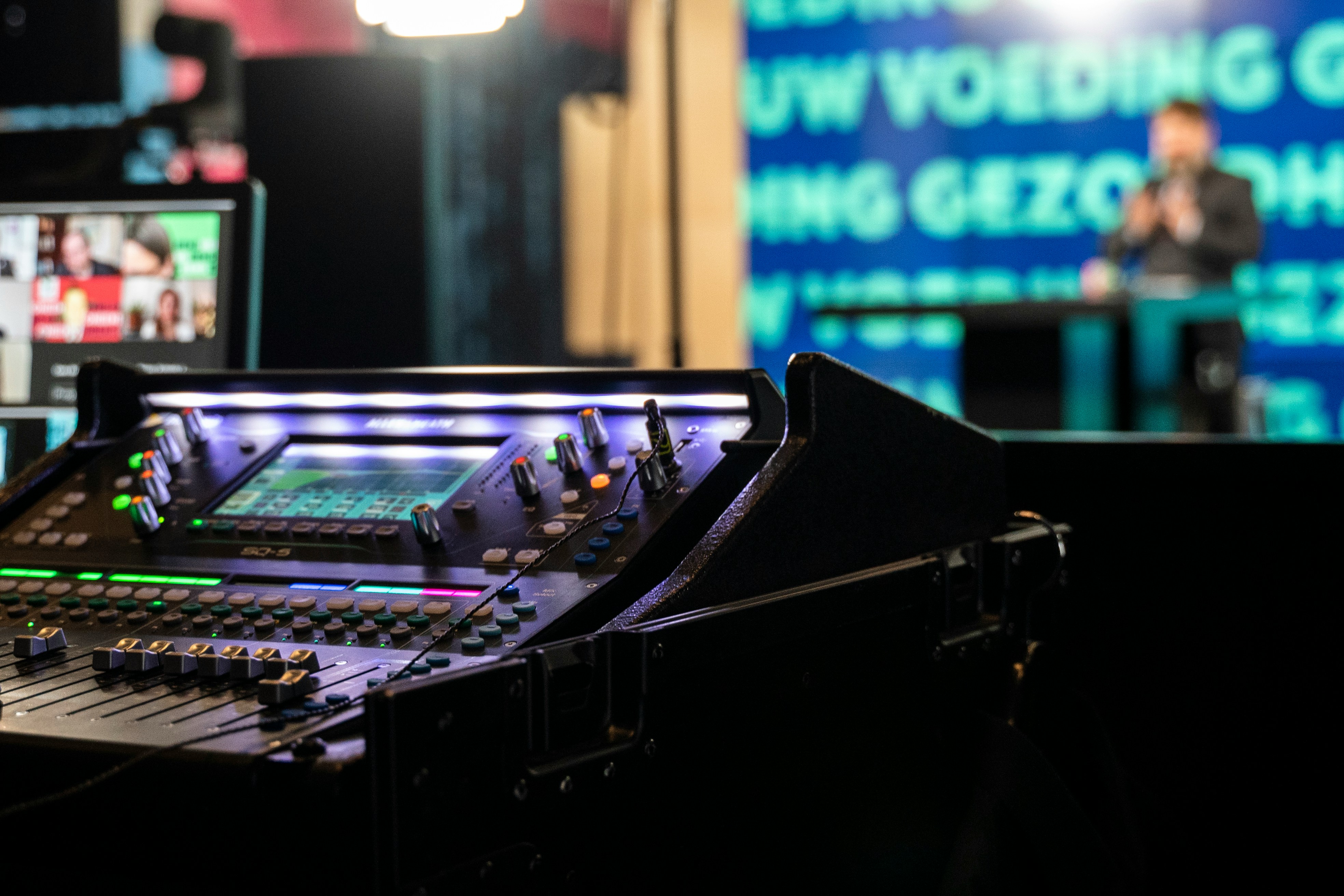
Audio Equipment
Professional audio systems ensure clear sound capture.
Typical equipment includes:
Wireless microphones
Audio mixers
Field audio recorders
Intercom communication systems
Audio quality is essential for a professional broadcast experience.
Monitoring and Control Systems
Monitoring tools allow teams to track video and audio quality during transmission.
These systems include:
Video monitors
Signal monitoring tools
Audio monitoring systems
They help detect and resolve issues in real time.
Studio-Side Infrastructure
Once the signal reaches the studio, additional systems are required to manage production.
Production Switchers
Switchers allow production teams to manage multiple video feeds, select camera angles, and control transitions.
Graphics and Playback Systems
These systems are used to add:
Titles and overlays
Lower thirds
Replay content
Visual enhancements
Streaming and Distribution Systems
After production, content is distributed to:
Television networks
Online streaming platforms
Social media channels
Reliable distribution ensures audiences receive the broadcast without interruption.
Services Required for Successful Deployment
In addition to equipment, professional services are essential for building an effective field-to-studio system.
System Design and Planning
Every production environment is different. Proper planning ensures:
The right equipment is selected
Network capacity is sufficient
Workflows are optimized
Installation and Integration
Integrating cameras, encoders, networks, and studio systems requires technical expertise to ensure all components work together seamlessly.
Network Optimization
Reliable transmission depends on well-configured networks, including redundancy planning and bandwidth management.
Technical Support and Maintenance
Ongoing support ensures systems continue to perform reliably and can adapt to changing production needs.
Benefits of Field-to-Studio Broadcasting
Real-Time Production
Content can be produced and broadcast live as events happen.
Reduced On-Site Infrastructure
Less equipment and fewer crew members are required at the field location.
Centralized Control
Production teams can manage multiple broadcasts from a single location.
Scalability
Systems can be expanded to support additional cameras, locations, and events.
Professional Implementation Matters
Field-to-studio broadcasting systems involve multiple interconnected components that must operate reliably under live conditions.
Sourcenet Systems Limited provides end-to-end field-to-studio broadcasting solutions, including equipment supply, system integration, and technical support tailored to media houses and production teams.
Conclusion
Field-to-studio broadcasting is a critical workflow for modern live production, enabling organizations to deliver high-quality content from remote locations to centralized production environments.
By combining the right equipment with professional integration and support, broadcasters can build reliable and scalable systems that meet the demands of live production.
If you are planning to implement or upgrade your field-to-studio broadcasting setup, **Sourcenet Systems Limited can help you design and deploy a solution tailored to your needs.
Contact us to discuss your requirements or request a quote for professional broadcasting equipment and services.**