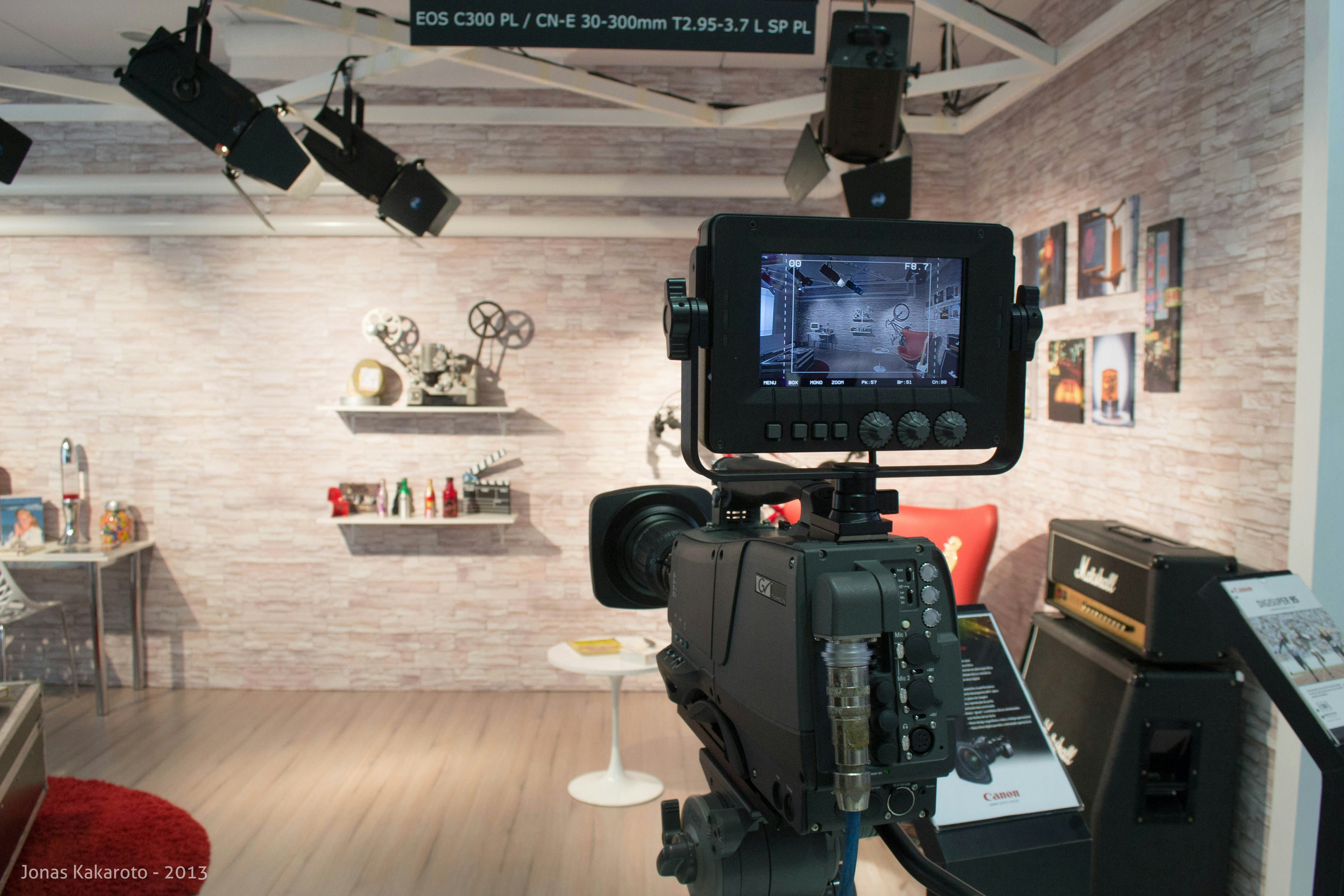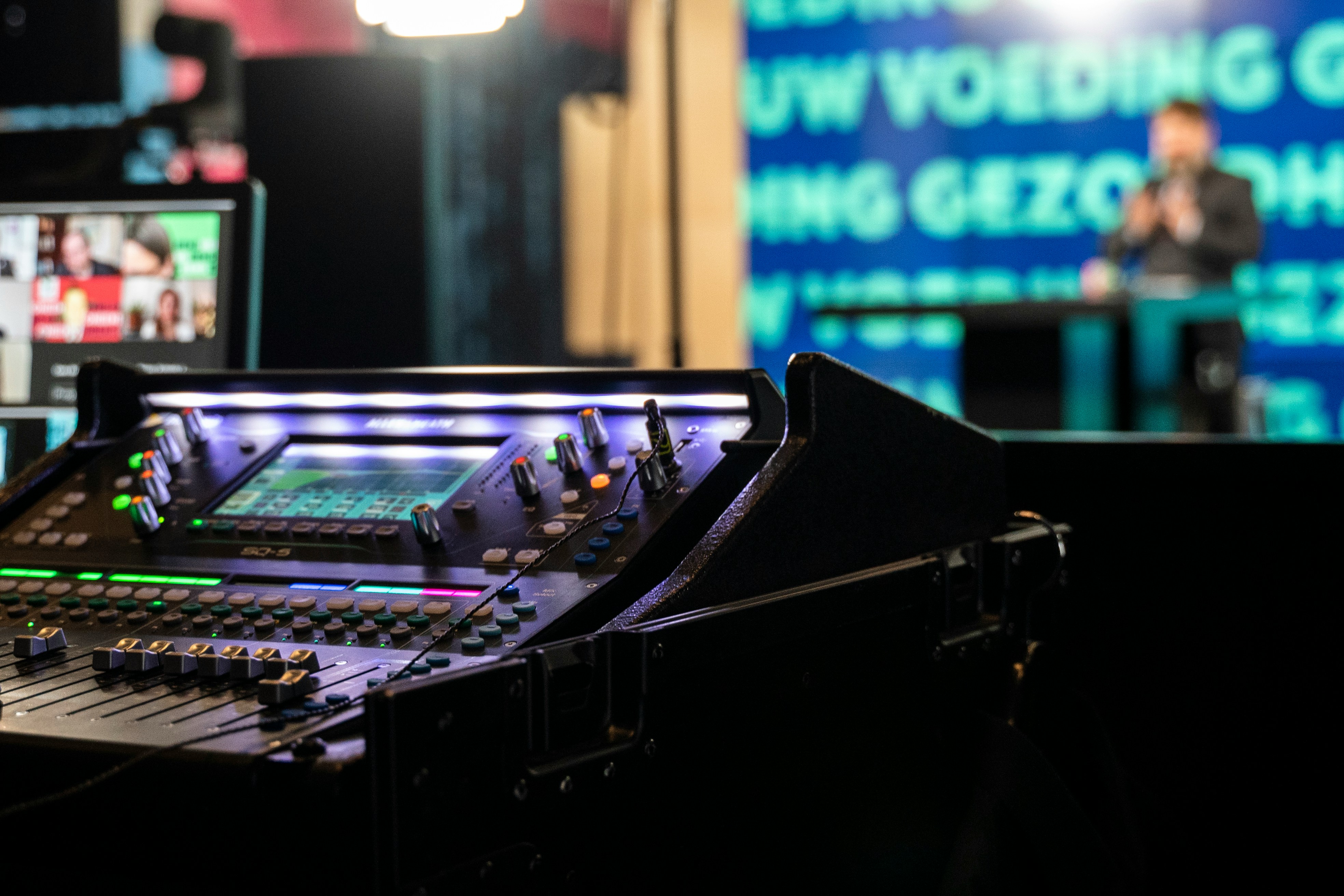



Installing high-quality cameras is only part of building a successful video production or monitoring system. Without proper integration, even the most advanced cameras can underperform.
Professional integration ensures that cameras operate at their full potential — delivering consistent image quality, reliable control, stable connectivity, and seamless workflow compatibility.
Whether used for live production, remote monitoring, corporate streaming, or broadcast contribution, integration plays a critical role in performance.
What Is Camera Integration?
Camera integration goes beyond mounting and cabling.
It involves:
Network configuration
Control system setup
Video routing and switching
Encoder and streaming alignment
Power management
Signal optimization
Workflow testing and calibration
Professional integration ensures that every component in the system communicates efficiently and reliably.
1. Optimized Video Signal Quality
Improper configuration can result in:
Signal loss
Frame drops
Latency issues
Poor color reproduction
Resolution mismatches
Professional integration ensures:
✔ Correct resolution and frame rate alignment
✔ Optimized bitrate settings
✔ Proper SDI/HDMI/IP routing
✔ Balanced color profiles across cameras
This delivers consistent, broadcast-quality output across all devices.
2. Reliable Network Performance for IP Cameras
Modern PTZ and IP cameras rely heavily on network infrastructure.
Without proper setup, you may experience:
Control delays
Video lag
Packet loss
Bandwidth congestion
Professional integrators configure:
VLAN segmentation
Quality of Service (QoS) prioritization
Dedicated camera networks
Proper IP addressing
Redundant pathways where necessary
This dramatically improves stability — especially in remote production or multi-camera environments.
3. Seamless PTZ Control and Preset Configuration
PTZ cameras offer advanced control features, but they must be properly configured to perform smoothly.
Professional integration includes:
✔ Preset programming
✔ Speed calibration
✔ Joystick/controller mapping
✔ Control protocol alignment (VISCA, NDI, IP control)
✔ Smooth transition tuning
Well-configured PTZ cameras move precisely and predictably — essential for live production.
4. Improved Low-Light and Image Optimization
Camera performance is influenced by:
Exposure settings
White balance
Gain configuration
Shutter speed
Gamma settings
Professional calibration ensures:
Balanced image output
Reduced noise in low-light conditions
Consistent color across multiple cameras
Proper lighting integration
Even high-end cameras can produce poor results without proper tuning.
5. Integration With Switching and Streaming Systems
Cameras rarely operate alone. They connect to:
Video switchers
Streaming encoders
Recorders
Cloud platforms
Monitoring systems
Integration ensures compatibility and prevents:
Format conflicts
Resolution scaling issues
Audio-video sync problems
Signal handshake failures
This creates a smooth, predictable production workflow.
6. Reduced Downtime and Technical Failures
Improper installations often lead to:
Cable strain or interference
Power instability
Overheating
Network bottlenecks
Firmware conflicts
Professional integration addresses:
✔ Clean cable management
✔ Proper rack configuration
✔ Stable power supply with surge protection
✔ Firmware updates and compatibility checks
✔ Structured testing before deployment
This significantly reduces operational disruptions.
7. Scalability for Future Expansion
Organizations often expand their systems over time.
A professionally integrated system is:
Modular
Structured
Documented
Ready for upgrades
Adding new cameras, switching to 4K, or enabling remote production becomes easier when the foundation is properly designed.
8. Better Return on Investment
Professional integration protects your investment by ensuring:
Maximum equipment lifespan
Efficient system performance
Reduced maintenance costs
Fewer emergency repairs
Lower operational stress
The cost of proper integration is often far less than the cost of troubleshooting poorly installed systems.
Common Environments That Benefit From Professional Integration
Broadcast studios
Corporate boardrooms
Churches and houses of worship
Universities and training centers
Event venues
Government facilities
Remote monitoring centers
In these environments, reliability is non-negotiable.
The Difference Between Installation and Integration
Basic Installation:
Mount camera
Connect cable
Power on
Professional Integration:
Configure network
Align resolution and formats
Optimize image settings
Program control systems
Test failover scenarios
Validate full workflow compatibility
The difference directly impacts performance quality.
Why Integration Matters for PTZ and IP Cameras
Modern camera systems are no longer standalone devices. They are part of a larger ecosystem involving:
IT infrastructure
Cloud platforms
Remote access systems
Broadcast workflows
Without proper integration, performance bottlenecks often appear at the system level — not the camera itself.
Professional Camera Integration Services
Delivering consistent performance requires technical expertise across video, networking, and broadcast infrastructure.
Sourcenet provides professional camera integration services, ensuring that PTZ and fixed camera systems operate reliably within complex production and monitoring environments.
From planning and configuration to testing and optimization, professional integration ensures your camera investment performs exactly as intended.
Conclusion
High-quality cameras alone do not guarantee high-quality results. Performance depends on how well those cameras are integrated into the overall system.
Professional integration improves:
Image quality
Stability
Control responsiveness
Network reliability
Workflow efficiency
Long-term scalability
For organizations relying on consistent video performance, professional integration is not optional — it is essential.