



Broadcasting live from remote locations has traditionally depended on satellite uplinks or heavy OB van setups. While effective, these methods are expensive, slow to deploy, and often impractical for fast-moving or budget-sensitive productions.
Today, broadcasters, media teams, and event producers can go live from virtually anywhere without satellite using modern IP-based transmission technologies.
This guide explains how to broadcast live from remote locations reliably, what equipment you need, and how to set up a workflow that works in real-world conditions.
Why Move Away from Satellite Broadcasting?
Satellite broadcasting has been a standard for years, but it comes with several limitations:
High setup and operational costs
Long deployment times
Heavy equipment requirements
Limited flexibility for fast-moving productions
For many use cases, especially news, sports, and events, these limitations make satellite less practical compared to newer technologies.
The Modern Alternative: Cellular Bonding
The most effective way to broadcast without satellite is through cellular bonding technology.
Solutions from LiveU combine multiple internet connections such as cellular, WiFi, and Ethernet into a single, stable transmission stream.
How It Works
Video is captured on location
A portable encoder splits the data into packets
Data is transmitted across multiple networks
The signal is reassembled at the receiving end
If one network weakens or drops, others take over to maintain a stable broadcast.
Equipment Required for Remote Broadcasting
1) Camera System
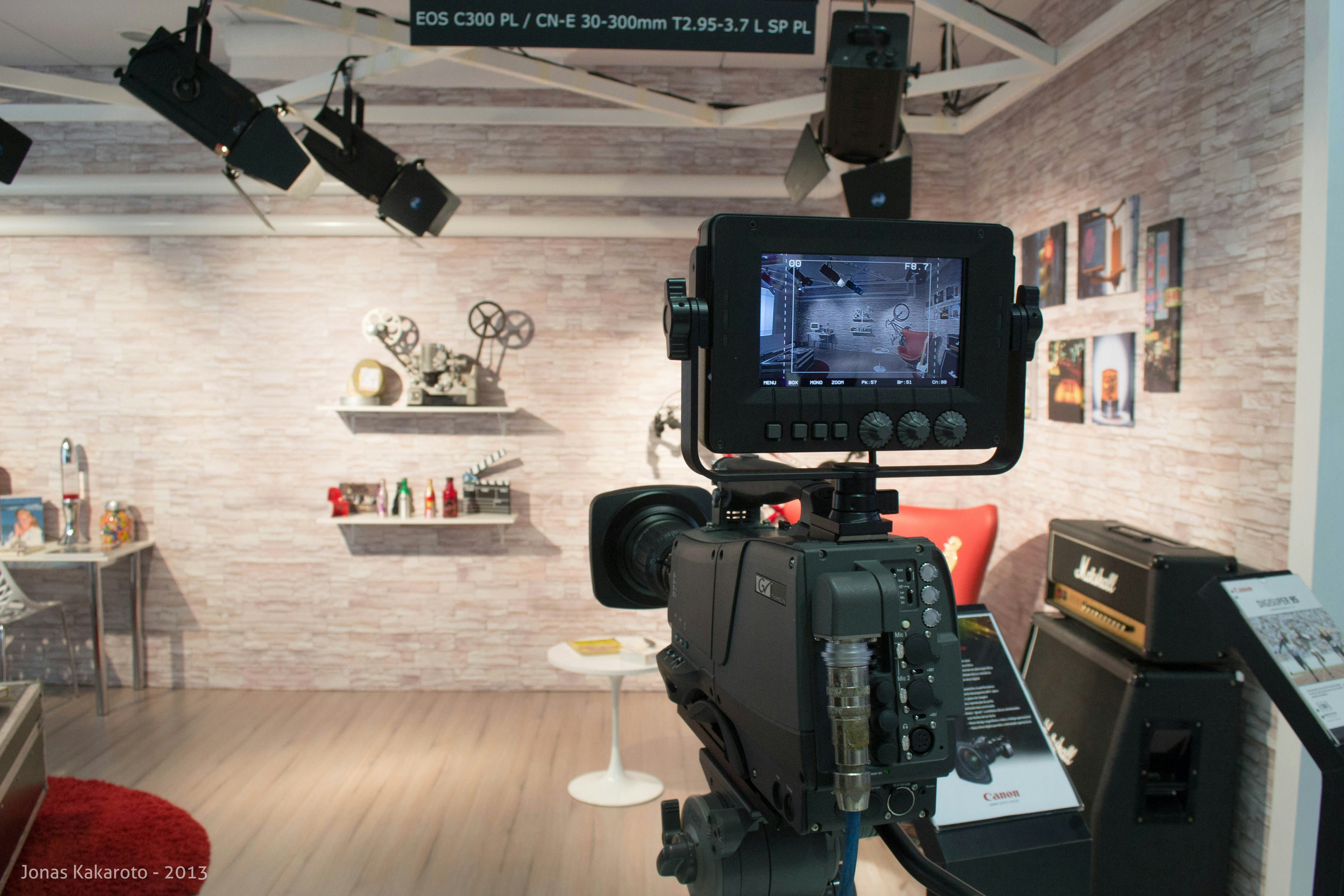
Broadcast camera, PTZ camera, or compact field camera
Selected based on production quality and mobility
2) Portable Encoder (LiveU Unit)
A LiveU unit handles encoding, bonding, and transmission in a single device.
3) Connectivity Setup
Multiple SIM cards across different networks
Optional WiFi or Ethernet
External antennas for stronger signal
4) Power Solutions
Battery packs for mobility
Backup power for longer broadcasts
5) Receiving and Production Setup
At the receiving end, the signal is decoded, processed, and routed into production systems.
Remote Production Makes It Even More Efficient
Modern workflows allow production to be handled from a central location.
Cameras stay in the field
Production teams operate remotely
Switching, graphics, and streaming happen centrally
This reduces cost and improves efficiency across multiple events.
Where This Approach Works Best
News and Field Reporting
Go live quickly from remote or urban locations.
Sports and Outdoor Events
Cover matches and events without heavy infrastructure.
Corporate and Government Events
Stream from multiple locations with minimal setup.
Field Production
Capture and transmit content directly from location.
Key Benefits
Cost Efficiency
No need for satellite bookings or large deployment teams.
Fast Deployment
Go live within minutes.
Flexibility
Broadcast from almost any location.
Scalability
Expand easily to multi-camera or multi-location production.
Why Professional Setup Matters
Reliable performance depends on proper configuration and network planning.
Factors such as network availability, redundancy, and system integration must be carefully managed.
Sourcenet Systems Limited helps organizations deploy reliable remote broadcasting systems using solutions from LiveU, ensuring stable performance in real-world environments.
Conclusion
Broadcasting live from remote locations no longer requires satellite infrastructure. With cellular bonding, portable encoders, and remote production workflows, organizations can deliver high-quality live video from virtually anywhere.
If you are planning to broadcast from remote locations without satellite, **Sourcenet Systems Limited can help you design and deploy a solution tailored to your needs.
Contact us to discuss your requirements or get a quote for remote broadcasting solutions.
👉 https://sourcenet.co.ke/contact