


Broadcasting live events used to mean bringing out an Outside Broadcast (OB) van, a dedicated technical crew, and hours of setup time. But as modern broadcast technology has evolved, many organizations are opting for LiveU-based solutions as a more flexible and cost-effective alternative.
In this comparison, we’ll break down how LiveU solutions stack up against traditional OB vans across key factors: cost, flexibility, and reliability — so you can decide what works best for your broadcast needs in Kenya.
What Are OB Vans and LiveU Systems?
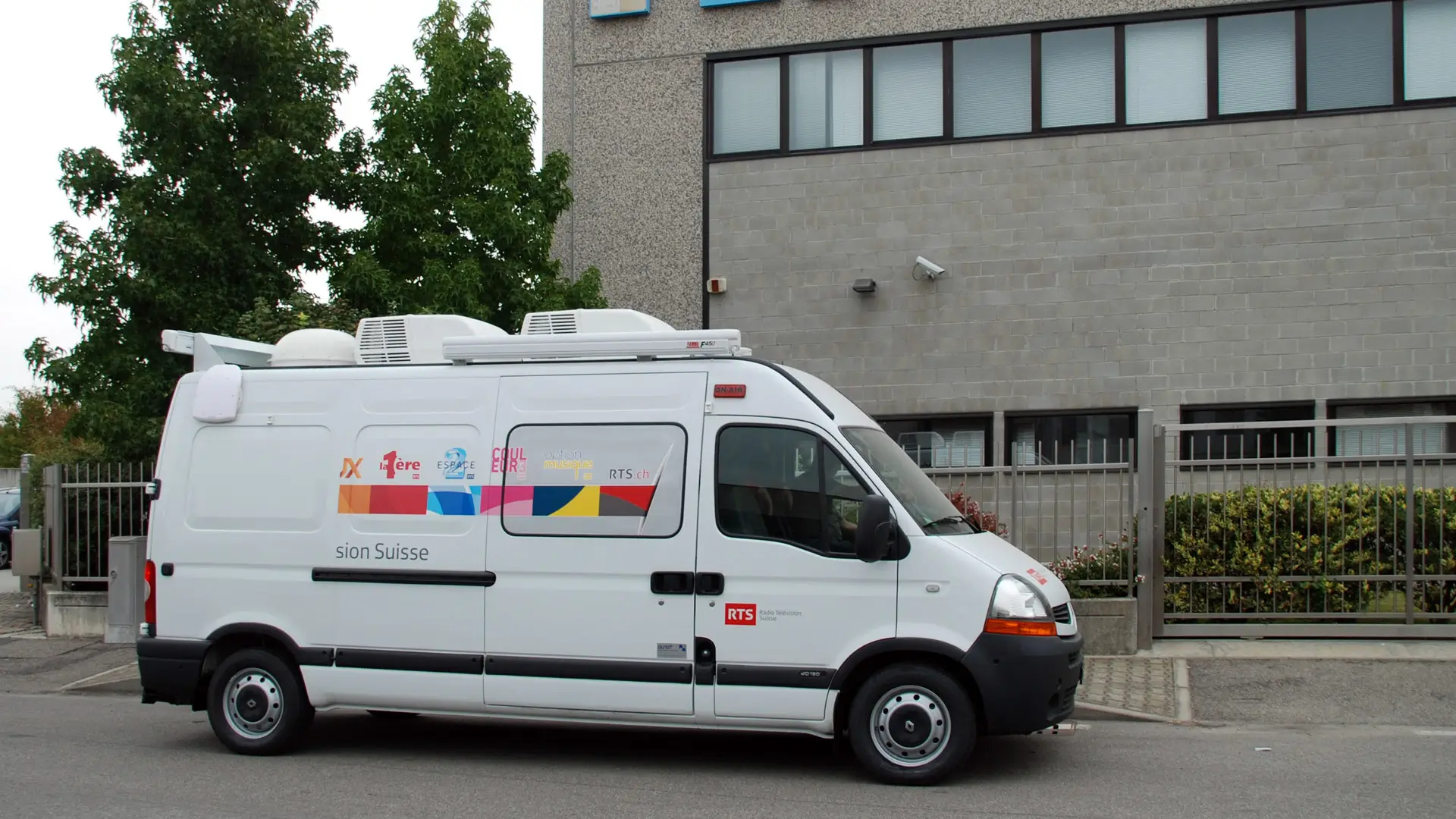
OB Vans
OB vans are mobile broadcast vehicles that contain cameras, switchers, audio mixers, transmission equipment, and crew stations. They are purpose-built for live production and have been a broadcasting standard for decades.
LiveU Systems
LiveU solutions use portable hardware that bonds multiple network connections (cellular, Wi-Fi, Ethernet) to transmit live video feeds to a central production environment. They are smaller, quicker to deploy, and designed for field use.
Sourcenet supplies and integrates both LiveU solutions and broadcast workflows that can replace or complement OB van operations depending on your needs.
Cost Comparison
OB Vans — Higher Upfront and Operational Costs
Using an OB van typically involves:
Rental or ownership cost of the van and equipment
Crew and technical staff deployment
Fuel and transport for large vehicles
On-site setup and teardown costs
Facility charges if stationed for long durations
These costs add up quickly, especially for events that run over multiple days or require travel outside major cities.
LiveU — Lower Logistics and Deployment Costs
LiveU solutions require:
Purchase or rental of portable LiveU units
Minimal on-site crew
Standard mobile data/network charges
There are significantly fewer logistics costs because:
No large vehicles to mobilize
No specialized drivers needed
Setup is faster and requires fewer personnel
Overall, LiveU solutions typically offer lower total cost of ownership for frequent field broadcasts and recurring events — especially when compared to full OB van deployments.
Flexibility Comparison
OB Vans — Strong but Constrained by Size
OB vans are robust, but their size and infrastructure requirements limit flexibility:
Require road access and parking space
Longer setup times
Large crew and equipment footprint
Heavy gear movement
In constrained environments (small venues, remote locations, outdoor events), this can be impractical.
LiveU — Lightweight, Fast, and Mobile
LiveU excels in scenarios where flexibility matters:
Compact, portable units can go anywhere
Quick setup and teardown
Easily integrated with remote production workflows
Ideal for multi-location broadcasts
LiveU’s flexibility makes it suitable for:
Outdoor events with limited space
Rapid deployment situations
Events in rural or difficult-to-access areas
This makes LiveU an attractive choice where mobility and speed are priorities.
Reliability Comparison
OB Vans — Built-In Reliability
OB vans come with integrated infrastructure designed for live production:
Dedicated hardware for switching, audio, and video
On-board engineers for real-time troubleshooting
Powerful transmission systems
For high-profile events where broadcast quality cannot be compromised, OB vans are still seen as a very reliable standard.
LiveU — Modern Reliability With Bonded Networks
LiveU reliability is rooted in network bonding:
Multiple cellular/Wi-Fi/Ethernet connections combined
Redundant transmission paths
Intelligent data handling to avoid frame loss
When network coverage is good, LiveU can match or come close to the reliability of traditional OB links — and often at a lower cost.
However, in extremely remote areas with poor network coverage, dedicated OB technical links may still perform better.
Pro tip: LiveU reliability improves significantly when paired with planned network support and contingency options — something experienced integrators like Sourcenet can design into your workflow.
When to Choose LiveU Over OB Vans
LiveU solutions are particularly well-suited for:
News and current affairs coverage
Sports and outdoor events
Corporate events and conferences
Faith-based and community programs
Multi-location production environments
Events with tight budgets or short lead times
These scenarios benefit from lower cost, faster deployment, and flexible setups that LiveU enables.
When OB Vans Make Sense
OB vans remain a strong choice when:
Full broadcast infrastructure is required on site
There are multiple cameras with complex switching
Long events with heavy audio/visual needs
High-reliability transmission is critical (e.g., major national broadcasts)
In these cases, the dedicated infrastructure and on-site crew provided by OB vans still offer advantages.
Hybrid Approaches
Many modern productions combine both:
LiveU units for remote cameras or field shots
OB van or central production hub for switching and control
Remote production workflows to centralize technical teams
This hybrid model blends mobility with broadcast depth, giving the best of both worlds.
Sourcenet can design hybrid workflows that use LiveU and studio resources in a coordinated production setup.
Conclusion
Both OB vans and LiveU systems have a place in modern broadcasting. OB vans offer depth and traditional reliability for large, complex productions, while LiveU provides cost-efficient, flexible, and scalable live contribution that suits many modern broadcast workflows.
Ultimately, the right choice depends on your production needs, budget, and environment.
If you want to explore how to implement LiveU or integrate it with your existing broadcast workflows, Sourcenet can help you design the right solution tailored to your event or broadcast goals.
Contact us to discuss your broadcasting needs, or get a quote for LiveU solutions and professional deployment support.
👉 https://sourcenet.co.ke/contact