


For years, reliable live broadcasting depended heavily on fiber connectivity, satellite transmission, or expensive OB van deployments. While these methods are still used for large-scale productions, modern broadcast workflows are rapidly shifting toward more flexible and cost-effective transmission technologies.
Today, broadcasters, production teams, and event organizers can achieve stable, high-quality live video transmission without relying on permanent fiber infrastructure or traditional OB vans.
Using bonded cellular technology and portable transmission systems, organizations can now deliver professional live broadcasts from almost any location.
Sourcenet Systems Limited provides modern live video transmission solutions designed for reliable broadcasting across news, sports, events, and remote production environments.
Why Traditional Transmission Methods Are Limiting
Fiber Connectivity Challenges
Fiber provides excellent bandwidth and stability, but it comes with limitations:
Expensive installation and maintenance
Limited availability in some locations
Lack of flexibility for temporary events
Long deployment timelines
For outdoor events, field production, and rapid deployments, fiber is often impractical.
OB Vans and Their Operational Costs
OB vans have traditionally handled live contribution and on-site production, but they require:
Large deployment crews
Heavy equipment logistics
Significant setup time
High operational costs
For many productions, this creates unnecessary complexity and expense.
The Modern Alternative: Bonded Cellular Transmission
Modern live transmission systems now use cellular bonding technology to create stable and reliable video contribution workflows.
Solutions from LiveU combine multiple network connections such as:
4G and 5G cellular networks
WiFi connections
Ethernet links
into a single bonded transmission stream.
This improves reliability and reduces dependence on a single connection source.
How Bonded Transmission Works
Instead of transmitting video through one network, bonded transmission:
Splits video data into multiple streams
Sends them across different networks simultaneously
Reconstructs the signal at the receiving end
If one connection weakens or fails, the remaining networks continue carrying the transmission.
This creates a more resilient live broadcast workflow.
Equipment Required for Fiber-Free Live Broadcasting
Portable Transmission Units
Portable encoders such as LiveU units handle:
Video encoding
Cellular bonding
Signal transmission
These compact systems replace large transmission infrastructure while remaining field-ready.
Camera Systems
Broadcasters can connect:
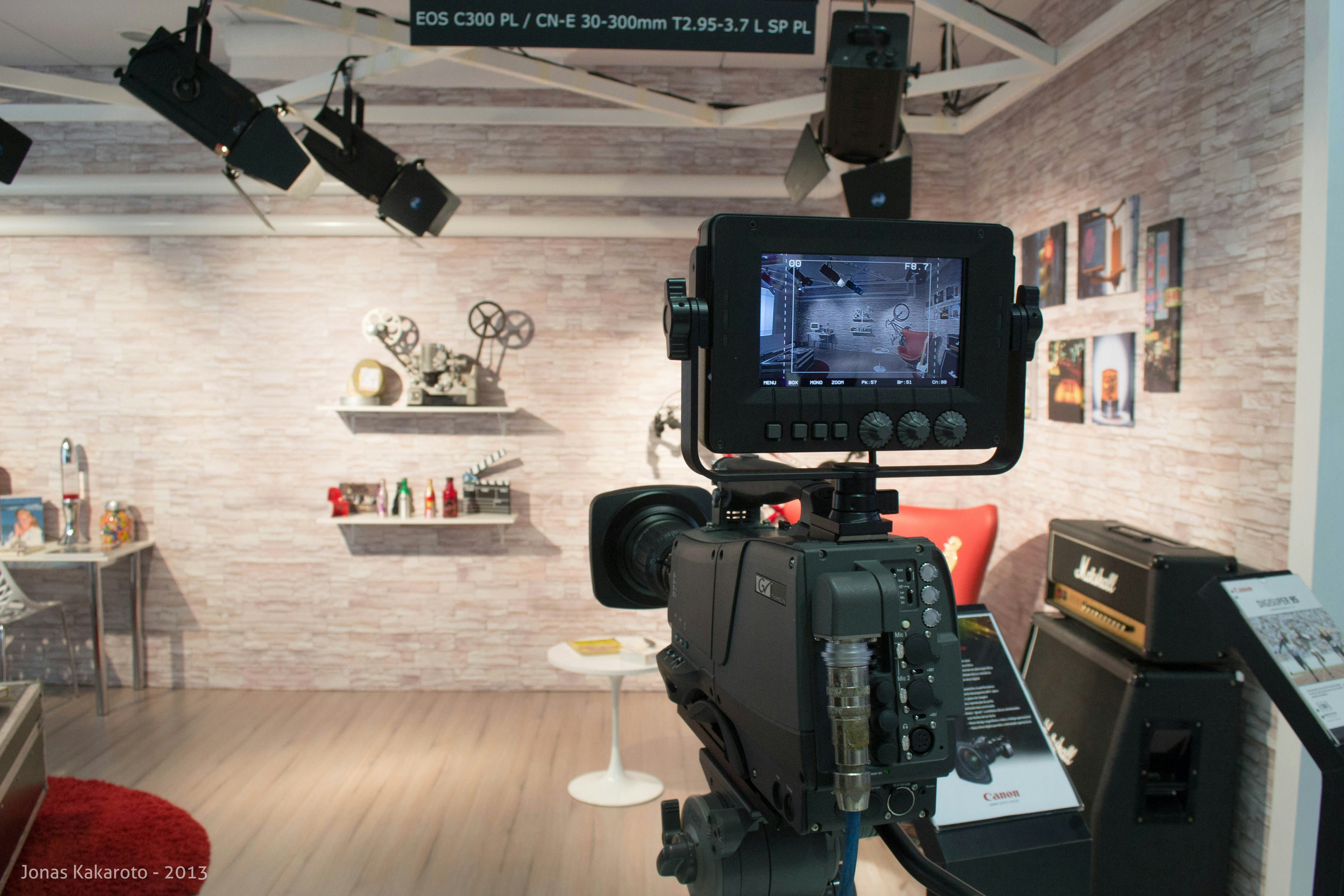
Broadcast cameras
PTZ cameras
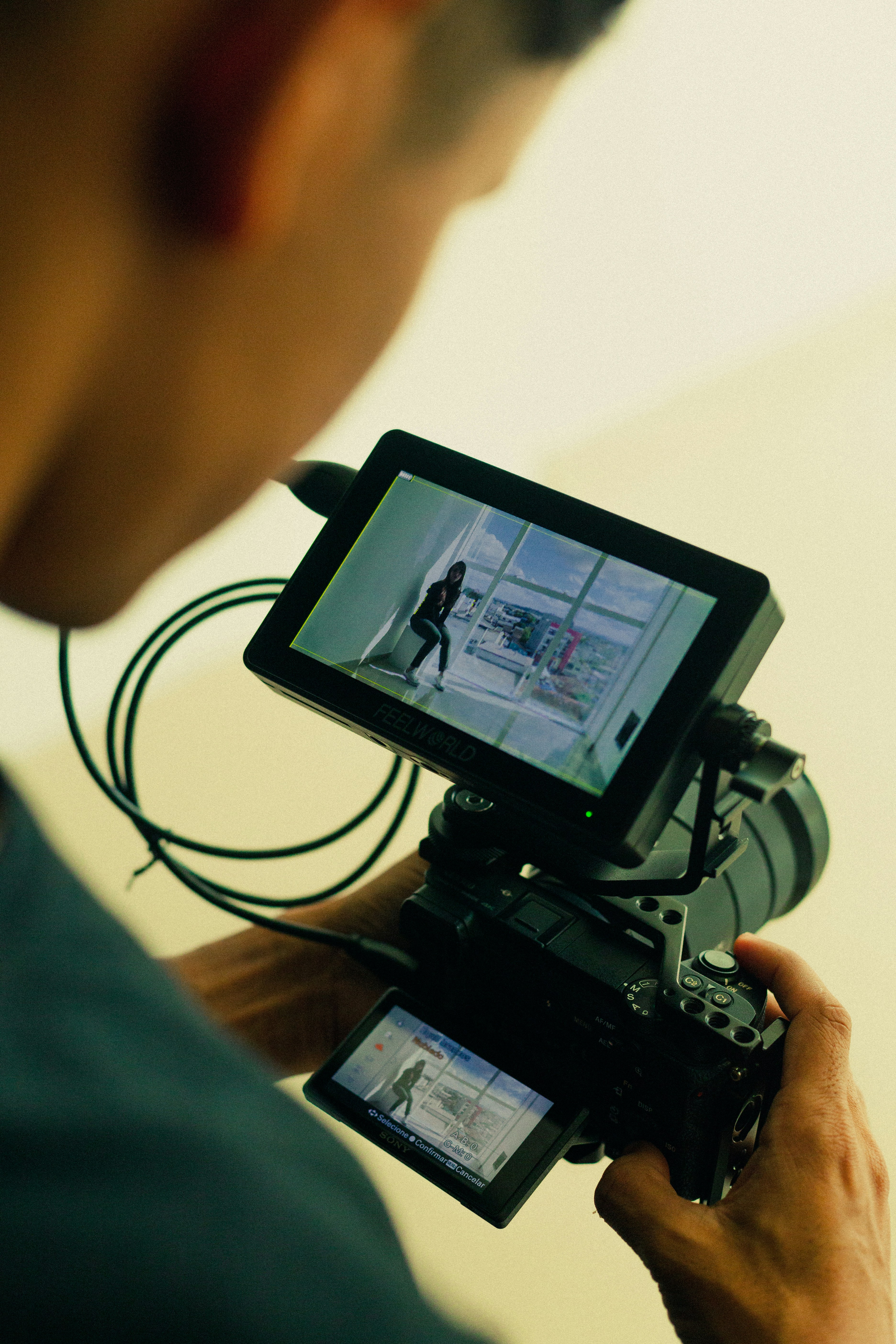
Compact field cameras
depending on production requirements.
Multi-Network Connectivity
Reliable transmission depends on access to multiple networks.
This often includes:
SIM cards across different carriers
WiFi backup connections
Ethernet where available
Remote Production Infrastructure
Modern workflows often route feeds into:
Remote production environments
Cloud production systems
Centralized control rooms
This allows production teams to operate remotely while cameras remain in the field.
Where These Workflows Perform Best
News and Field Reporting
Journalists can go live quickly without waiting for satellite or OB van deployment.
Sports and Outdoor Events
Portable transmission systems make it easier to cover sports events from multiple locations.
Corporate and Government Events
Organizations can stream conferences, launches, and official events with minimal infrastructure.
Remote and Multi-Location Production
Multiple feeds from different locations can be transmitted into one centralized production workflow.
Benefits of Broadcasting Without Fiber or OB Vans
Faster Deployment
Portable systems allow crews to set up and go live within minutes.
Lower Operational Costs
Reduce transport, staffing, and infrastructure expenses associated with traditional workflows.
Greater Flexibility
Broadcast from temporary venues, outdoor environments, and remote locations.
Scalable Workflows
Expand production setups without major infrastructure investment.
Why Professional Integration Matters
Reliable transmission depends on more than just the equipment itself.
Key considerations include:
Network optimization
Redundancy planning
Workflow integration
Signal management
Proper configuration ensures stable performance under live production conditions.
Sourcenet Systems Limited helps organizations deploy and integrate reliable live video transmission systems that reduce dependence on fiber and OB vans while maintaining professional broadcast quality.
Conclusion
Reliable live video transmission no longer requires fixed fiber infrastructure or expensive OB van deployments. With bonded cellular technology, portable transmission systems, and remote production workflows, broadcasters can deliver professional live coverage with greater flexibility and lower operational costs.
Modern transmission solutions enable organizations to operate efficiently across news, sports, events, and remote production environments.
If you are looking to implement reliable live video transmission workflows without fiber or OB vans, **Sourcenet Systems Limited can help you design and deploy a solution tailored to your production needs.
Contact us to discuss your requirements or get a quote for live transmission and deployment services.
👉 https://sourcenet.co.ke/contact