



Remote production has become a core part of modern broadcast operations. For media houses covering news, sports, and live events, having the right equipment in place ensures reliable transmission, efficient workflows, and consistent production quality.
Whether you are setting up a new remote production system or upgrading an existing one, this checklist outlines the essential equipment required to support professional live broadcasting.
What Is Remote Production?
Remote production allows media houses to capture video and audio at an event location while managing production from a centralized control room.
Instead of deploying full production infrastructure on-site, signals are transmitted to a central facility where switching, graphics, audio, and streaming are handled.
This approach reduces costs, improves efficiency, and enables coverage of multiple events simultaneously.
Core Remote Production Equipment Checklist
1. Cameras
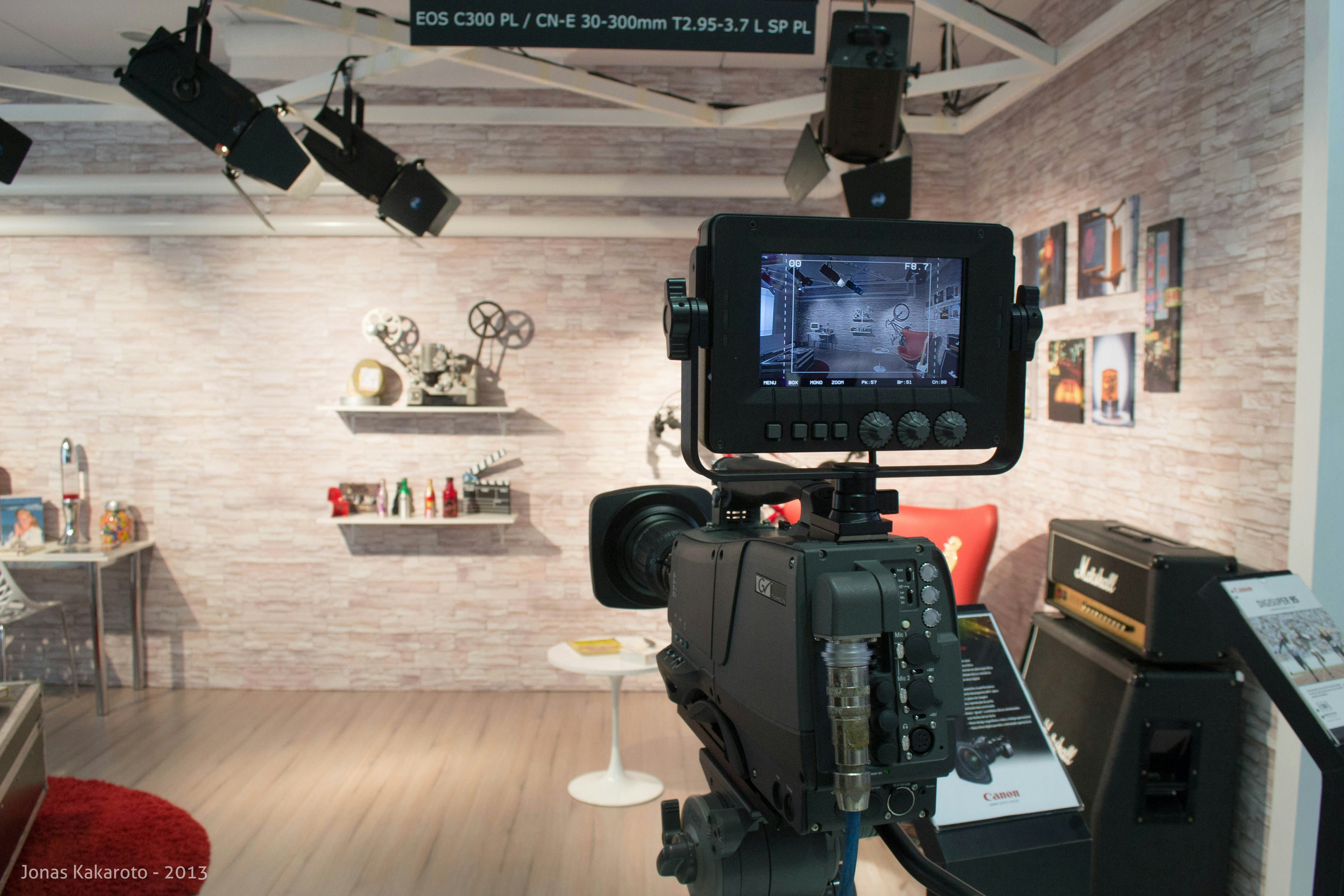
Cameras are the foundation of any production setup.
Media houses typically use:
Broadcast cameras for high-end production
PTZ cameras for remote-controlled coverage
Fixed cameras for wide-angle shots
Choosing the right mix depends on the type of content and level of production required.
2. Video Encoders
Encoders convert camera feeds into compressed video streams that can be transmitted over IP networks.
Key considerations include:
Low latency performance
Support for HD or 4K video
Reliable compression without quality loss
Encoders are essential for sending video from the field to the production center.
3. Transmission Systems
Reliable transmission is critical for remote production.
Common options include:
Cellular bonding solutions
Fiber or dedicated IP connections
Satellite links
Solutions from LiveU are widely used for field broadcasting due to their ability to combine multiple networks into a stable connection.
4. Audio Equipment
Professional audio systems ensure clear and consistent sound.
Typical equipment includes:
Wireless microphones
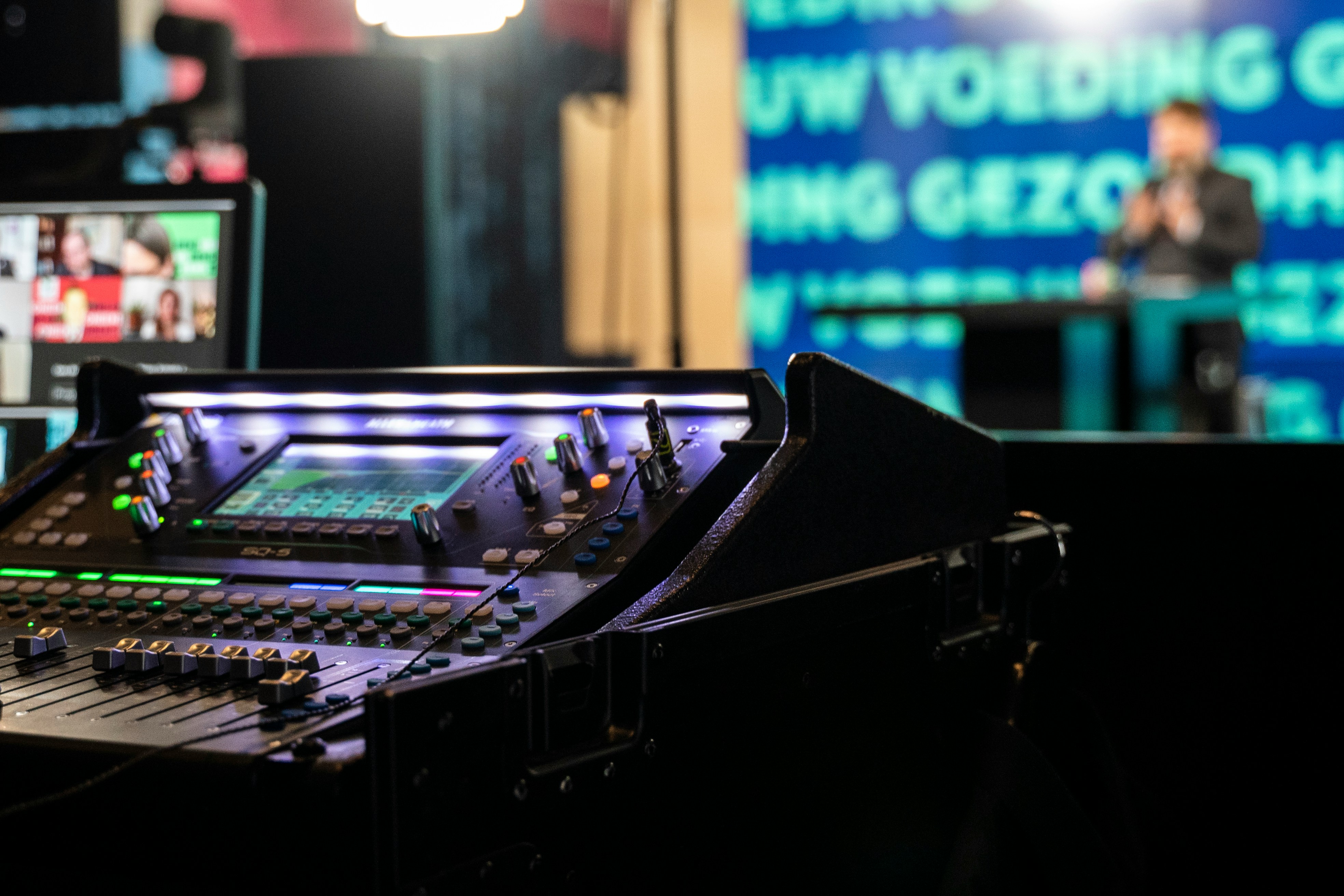
Audio mixers
Field audio recorders
Intercom communication systems
Audio quality is a key factor in overall broadcast quality.
5. Intercom and Communication Systems
Communication between on-site teams and remote production staff is essential.
Intercom systems allow:
Real-time coordination
Direction from producers and directors
Smooth production flow during live broadcasts
6. Network Infrastructure
A stable and well-configured network is the backbone of remote production.
This includes:
Reliable internet connectivity
Network routers and switches
Redundancy planning for backup connections
Proper network setup reduces the risk of interruptions.
7. Production Control Systems
At the central production hub, teams use control systems to manage the broadcast.
These include:
Video switchers
Graphics systems
Audio control systems
Monitoring tools
Centralized control allows production teams to manage multiple feeds efficiently.
8. Monitoring Equipment
Monitoring tools help ensure broadcast quality.
Common tools include:
Video monitors
Audio monitoring systems
Signal quality monitoring tools
These systems allow teams to detect and resolve issues in real time.
9. Recording and Storage Systems
Recording systems are used to archive live broadcasts for future use.
This includes:
On-site recording devices
Centralized storage systems
Backup recording solutions
Recording is essential for post-production, compliance, and content reuse.
10. Power Backup and Redundancy
Reliable power is critical for uninterrupted production.
Media houses should include:
Backup power supplies
UPS systems
Redundant power configurations
This ensures continuous operation during power interruptions.
Optional but Valuable Additions
Depending on production needs, additional equipment may include:
Portable lighting systems
Field monitors for camera operators
Mobile production kits for rapid deployment
Cloud-based production tools
These additions enhance flexibility and production quality.
Why Proper Integration Matters
Having the right equipment is only part of the solution. Successful remote production depends on how well all components are integrated into a single workflow.
Professional integration ensures:
Seamless communication between systems
Reliable signal transmission
Low latency performance
Scalable production setups
Sourcenet Systems Limited provides end-to-end remote production solutions, including equipment supply, system integration, and technical support tailored for media houses.
Conclusion
Remote production is now a standard approach for modern media houses looking to deliver high-quality live broadcasts efficiently.
By using the right combination of cameras, encoders, transmission systems, and centralized production tools, organizations can build scalable and reliable broadcast workflows.
If you are planning to set up or upgrade your remote production system, **Sourcenet Systems Limited can help you design a solution tailored to your operational needs.
Contact us to discuss your requirements or request a quote for remote production equipment and integration services.**