



Remote production is transforming how live events, broadcasts, and corporate productions are delivered. Instead of deploying a full production crew and outside broadcast infrastructure at every event location, organizations can now capture video on-site while controlling production from a centralized facility.
This approach reduces operational costs, improves efficiency, and allows broadcasters to cover more events without increasing logistical complexity.
In this guide, we explain how remote production works, the equipment involved, and how professional support ensures reliable broadcast performance.
What Are Remote Production Services?
Remote production refers to a workflow where video and audio are captured at an event location but the production process such as switching, graphics, monitoring, and streaming is managed from a different location.
Instead of performing all technical operations on-site, signals are transmitted to a central production facility where engineers and production teams manage the broadcast.
Remote production is commonly used for:
Sports broadcasts
Corporate events and conferences
Live streaming productions
News reporting
Faith-based broadcasts
Government and institutional events
Organizations benefit from centralized production environments that support multiple simultaneous broadcasts.
Core Equipment Used in Remote Production
Remote production systems rely on several key technologies to capture, transmit, and manage live video signals.
Cameras
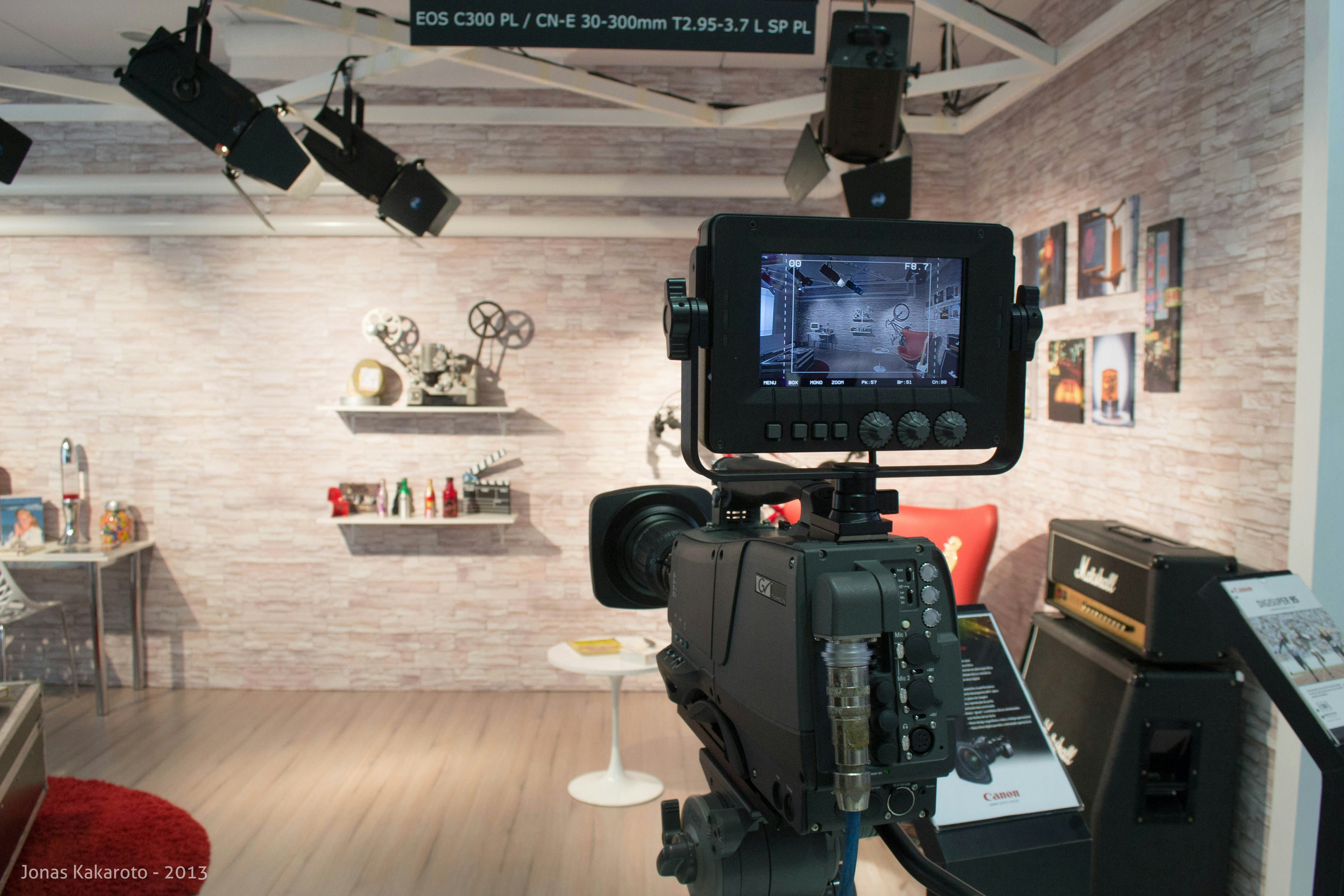
Professional cameras capture video at the event location. These may include broadcast cameras, PTZ cameras, or fixed cameras depending on the production requirements.
PTZ cameras are especially useful in remote production because they can be controlled from a central location without needing camera operators on site.
Video Encoders
Encoders convert video signals into compressed digital streams that can be transmitted over IP networks.
High-quality encoders maintain video quality while reducing bandwidth requirements, allowing production teams to receive live feeds with minimal latency.
Network Connectivity
Reliable connectivity is essential for remote production workflows.
Common transmission methods include:
Fiber internet connections
Dedicated IP networks
Bonded cellular systems
Satellite links
These technologies ensure stable video transmission between the event location and the production facility.
Audio Capture and Communication
Audio systems capture sound from microphones and other sources at the event venue.
Typical audio equipment includes:
Wireless microphones
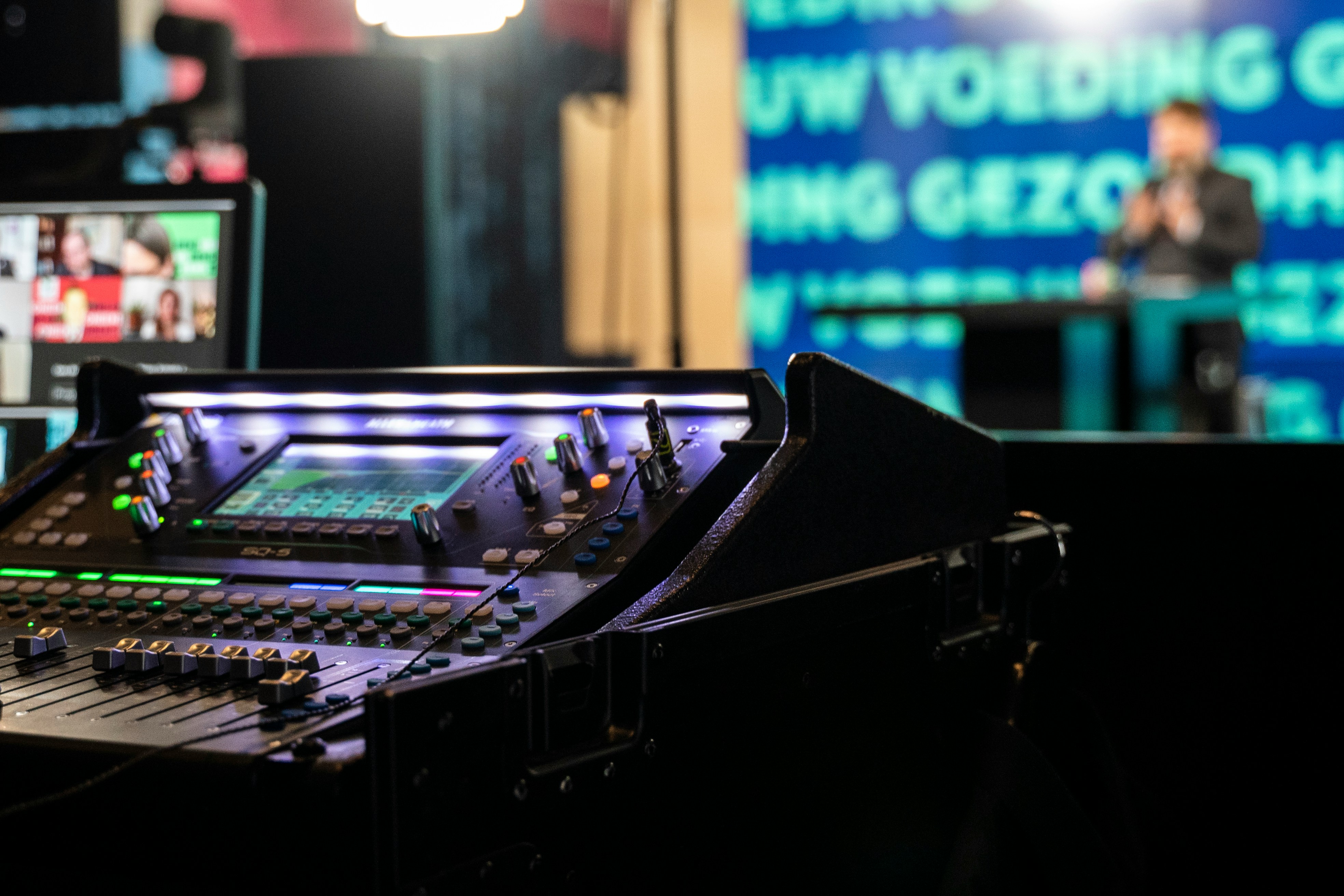
Audio mixers
Digital audio interfaces
Intercom communication systems
Intercom systems allow production teams and on-site crews to coordinate during live broadcasts.
Monitoring and Production Control
At the central production location, engineers and directors manage the broadcast using production control systems.
These systems allow teams to:
Switch between camera feeds
Insert graphics and titles
Adjust audio levels
Monitor video quality
Control PTZ cameras remotely
Centralized monitoring ensures consistent production quality across multiple events.
How the Remote Production Workflow Works
Remote production involves several coordinated steps that connect the event location to the production control center.
Event Capture
Cameras and microphones capture video and audio at the venue. Equipment operators ensure proper framing, lighting, and sound capture.
Signal Encoding and Transmission
Captured video feeds are encoded and transmitted through reliable network connections to the production facility.
Centralized Production
At the production hub, the technical team manages:
Video switching
Graphics insertion
Audio mixing
Recording and archiving
Live streaming distribution
Centralized production allows teams to manage multiple events simultaneously.
Broadcast Distribution
Once the production feed is finalized, the content can be delivered to:
Television broadcasters
Online streaming platforms
Social media channels
Internal corporate networks
This ensures the broadcast reaches audiences in real time.
Benefits of Remote Production Services
Remote production offers several operational advantages compared to traditional on-site production models.
Reduced Operational Costs
Travel expenses, large crews, and heavy equipment transportation are minimized, significantly lowering production costs.
Greater Operational Efficiency
Production teams can operate from a single location while managing multiple events across different venues.
Faster Deployment
Remote production systems can be deployed quickly, making them ideal for fast-moving events and news coverage.
Access to Specialized Expertise
Centralized production facilities allow organizations to use highly skilled engineers and directors without sending them to every event location.
Scalable Production
Organizations can scale production capacity by adding additional cameras or connecting multiple venues to the same control center.
Why Professional Integration Matters
Remote production systems require careful planning and integration to ensure reliable operation.
Professional system integration ensures:
Stable network transmission
Low latency video delivery
Reliable audio synchronization
Smooth coordination between teams
Sourcenet designs and implements remote production workflows that support professional live broadcasting, corporate events, and multi-location productions.
Conclusion
Remote production services allow organizations to deliver high-quality live broadcasts without the logistical challenges of traditional on-site production setups.
By combining professional cameras, reliable network transmission, and centralized production control, organizations can create scalable broadcast environments that support modern live content demands.
If you are planning to implement remote production for your events, sports broadcasts, or corporate productions, **Sourcenet can help design and deploy a solution tailored to your workflow requirements.
Contact us to discuss your remote production needs or request a quote for professional equipment and system integration support.**