


Remote production services allow broadcasters and organizations to produce live events without moving full production teams and control rooms on-site. Instead, video and audio feeds are transmitted from the event location to a centralized studio or cloud environment where switching, graphics, recording, and monitoring are handled.
This approach reduces logistics costs, improves efficiency, and enables scalable live production for news, sports, corporate events, faith-based broadcasts, and community programs.
In Kenya, remote production has become a preferred model for organizations looking to maintain broadcast-quality output while increasing flexibility.
What Are Remote Production Services?
Remote production (sometimes referred to as REMI production) is a workflow where:
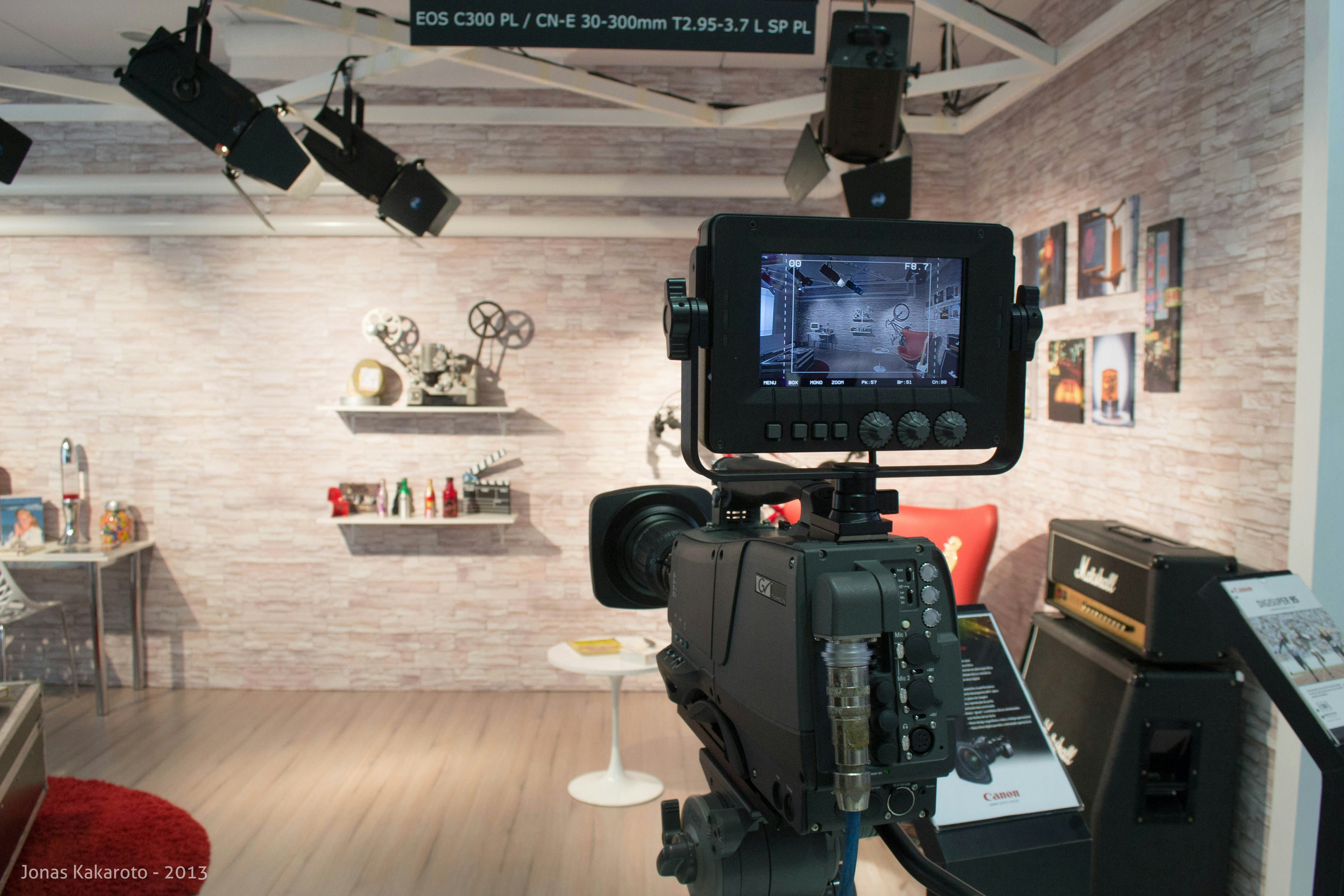
Cameras and audio are deployed at the event location
Live feeds are transmitted using bonded IP or dedicated connectivity
Production operations are handled remotely from a studio or cloud platform
Instead of transporting an entire OB van or full crew, only essential on-site personnel are deployed.
This makes live production more cost-effective and adaptable.
What You Get With Remote Production Services
Organizations using remote production services benefit from:
Reduced on-site crew requirements
Lower transportation and logistics costs
Centralized production control
Faster setup and breakdown
Scalable production across multiple locations
Integration with broadcast and streaming platforms
Remote production delivers professional results without heavy infrastructure.
How Remote Production Works
Step 1: On-Site Capture
Cameras, microphones, and minimal technical staff are deployed at the event venue. These capture the live content just as in a traditional broadcast setup.
Step 2: Live Contribution to Central Control
Video and audio feeds are transmitted using bonded cellular or IP-based transmission systems to a central production environment.
This eliminates the need for satellite trucks or OB vans in many scenarios.
Step 3: Centralized Production
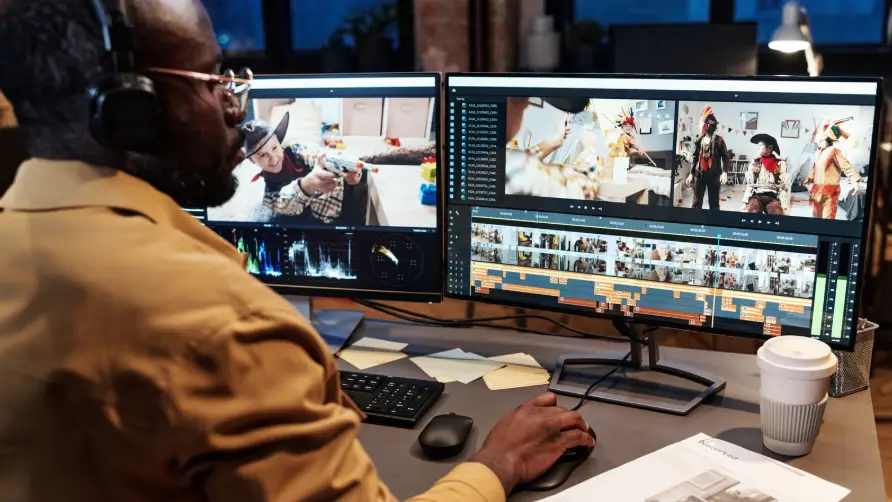
At the studio or control hub, the production team handles:
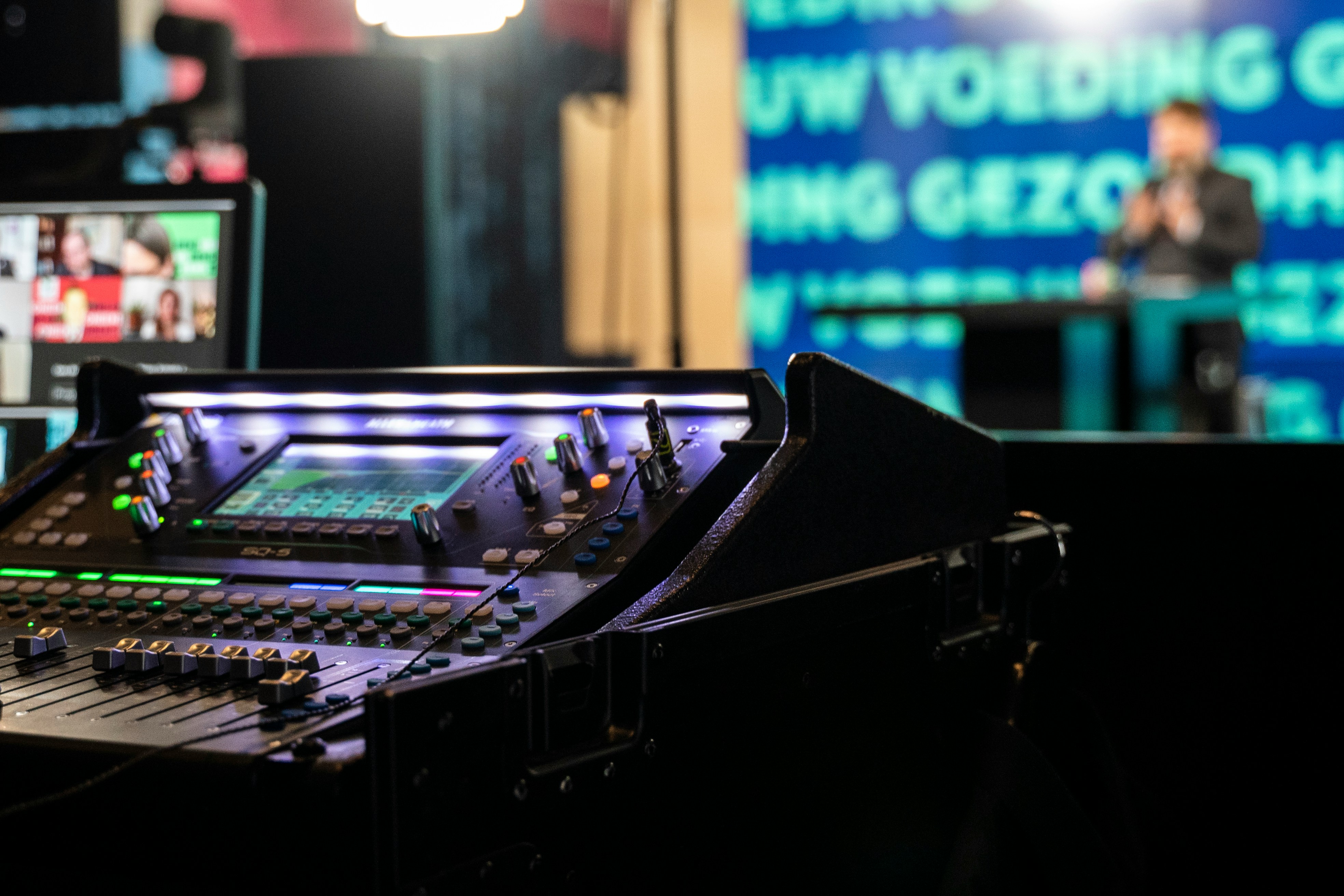
Live switching
Graphics and overlays
Replay systems (if required)
Recording and archiving
Quality monitoring
Because production is centralized, teams can manage multiple events more efficiently.
Step 4: Distribution and Streaming
The final feed is delivered to:
Television broadcast networks
Online streaming platforms
Internal corporate viewing systems
Social media platforms
This ensures the live content reaches its intended audience without delay.
What’s Typically Included in Remote Production Services
A complete remote production solution may include:
Portable transmission equipment
On-site technical coordination
Network planning and redundancy setup
Studio or cloud-based receiving systems
Integration with broadcast infrastructure
Event support and technical monitoring
Post-event content handling (where required)
The scope varies depending on event size and production complexity.
When Remote Production Is the Right Choice
Remote production is ideal for:
Sports tournaments and leagues
Multi-location events
Corporate conferences
Faith-based services
News and current affairs programming
Recurring weekly productions
Events in remote or hard-to-access locations
It is especially useful where mobility, cost control, and scalability are priorities.
Delivering Remote Production Services in Practice
Successful remote production depends on:
Reliable transmission systems
Stable network design
Proper integration with existing broadcast systems
Technical coordination between field and studio teams
Sourcenet designs and supports remote production workflows tailored to each client’s production environment—ensuring reliability, flexibility, and seamless integration.
Organizations looking for structured remote production implementation can explore dedicated Remote Production Solutions in Kenya for a detailed service breakdown.
What Organizations Gain From Remote Production
Lower operational costs
Greater flexibility in event coverage
Centralized control over production quality
Reduced technical risk on-site
Easier scaling for multiple productions
Remote production transforms how live content is delivered—making professional broadcasting more accessible and efficient.
Conclusion
Remote production services provide a modern, scalable alternative to traditional OB-based broadcasting. By separating on-site capture from centralized production control, organizations can achieve professional live output with reduced complexity and cost.
As live broadcasting continues to evolve, remote production remains one of the most effective ways to balance quality, efficiency, and flexibility.
Contact us to discuss remote production services, or get a quote tailored to your live event or broadcast needs.
👉 https://sourcenet.co.ke/contact