


Organizations producing live video content often face a key decision when choosing camera equipment: Should you use streaming cameras or broadcast cameras?
Both options can deliver high-quality video, but they are designed for different production environments, technical workflows, and performance expectations.
Understanding the differences helps broadcasters, churches, corporate organizations, and event producers choose equipment that aligns with their production goals, budget, and operational requirements.
What Are Streaming Cameras?
Streaming cameras are designed primarily for online broadcasting and live streaming platforms.
They are typically optimized for:
Direct streaming to platforms like YouTube, Facebook, or internal portals
Simpler production environments
Smaller teams or single operators
Integrated encoding or USB connectivity
Streaming cameras are commonly used for:
Church live streams
Corporate webinars
Online events
Educational content production
Small studio setups
They prioritize convenience, simplicity, and affordability.
What Are Broadcast Cameras?
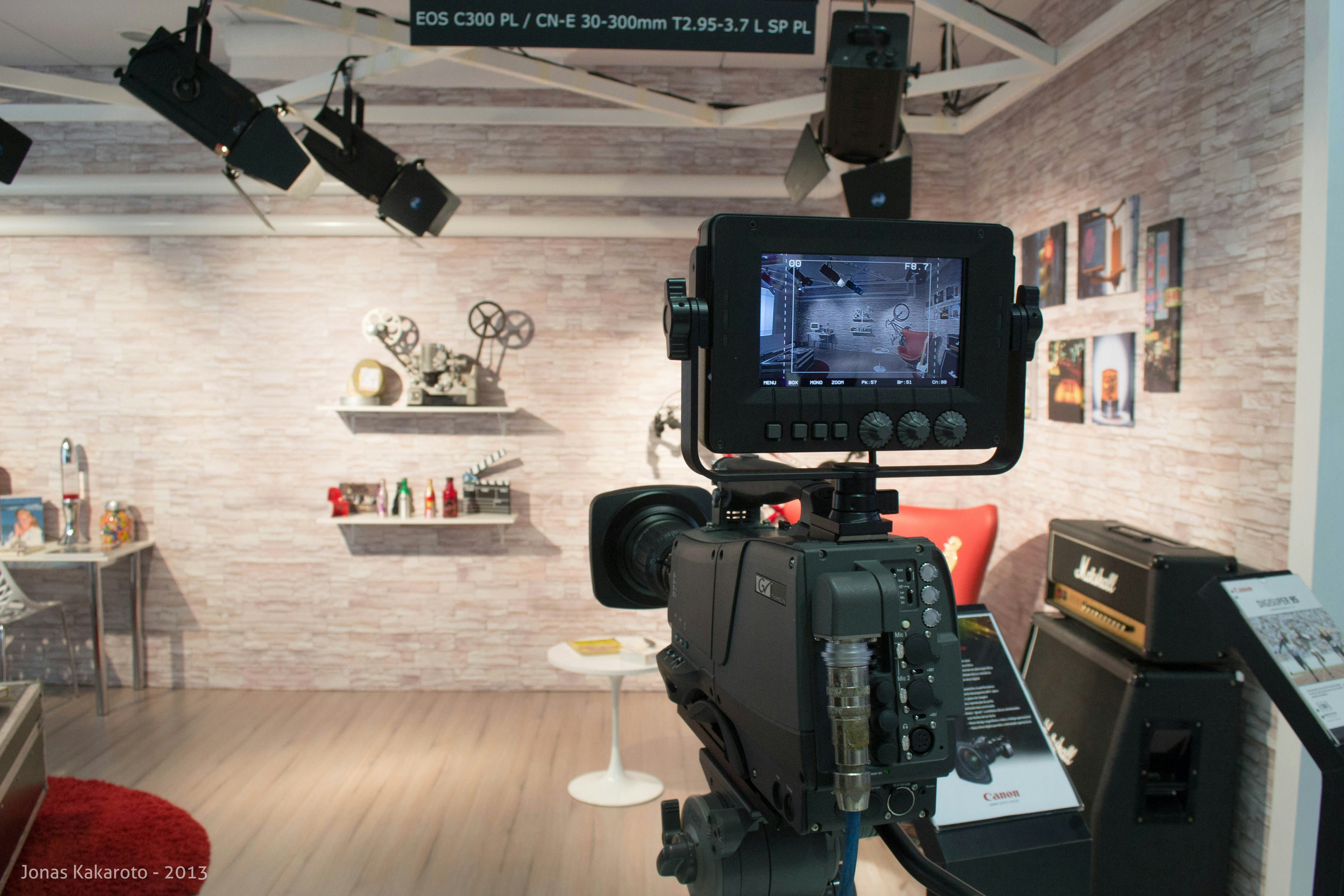
Broadcast cameras are designed for professional television production and large-scale live events.
They are built for environments that require:
High-end image processing
Professional video outputs
Advanced lens systems
Integration with broadcast control systems
Broadcast cameras are typically used in:
Television studios
Sports broadcasting
News production
Large-scale live events
Outside broadcast (OB) productions
These cameras focus on maximum image quality, reliability, and workflow integration.
Key Differences Between Streaming and Broadcast Cameras
1. Image Quality and Sensors
Broadcast Cameras
Larger image sensors
Better dynamic range
Superior color accuracy
Stronger low-light performance
These features help deliver consistent, high-quality images for television broadcasting.
Streaming Cameras
Smaller sensors in most models
Designed for compressed online delivery
Good image quality, but typically not at broadcast level
For many online applications, however, the difference may not be noticeable to viewers.
2. Connectivity and Outputs
Broadcast cameras offer professional video outputs such as:
SDI (Serial Digital Interface)
Genlock synchronization
Timecode support
Fiber connectivity for long-distance transmission
Streaming cameras often include:
HDMI output
USB connectivity
Built-in encoders
Direct streaming capabilities
These differences reflect the complexity of the production environments they serve.
3. Lens Systems
Broadcast cameras usually support interchangeable professional lenses, allowing operators to adjust:
Focal length
Zoom capabilities
Depth of field
Optical performance
Streaming cameras typically use fixed or integrated lenses, which simplifies operation but limits flexibility.
4. Control and Integration
Broadcast cameras integrate with:
Camera control units (CCUs)
Broadcast switchers
Remote shading systems
Production control rooms
This allows engineers to manage color matching, exposure, and signal alignment across multiple cameras.
Streaming cameras are usually designed for simpler control workflows and may rely on basic software interfaces.
5. Cost and Infrastructure
Broadcast camera systems often require:
Dedicated switching infrastructure
Professional lens systems
Control units and engineering support
Skilled camera operators
As a result, they represent a larger investment.
Streaming cameras typically require less infrastructure and are more accessible for smaller productions.
When Streaming Cameras Are the Right Choice
Streaming cameras are ideal for:
Online content production
Corporate communications
Churches and houses of worship
Educational institutions
Small live events
Budget-conscious productions
They provide good quality with minimal technical complexity.
When Broadcast Cameras Are the Right Choice
Broadcast cameras are better suited for:
Television production
Large sports events
Professional studio environments
High-end live productions
Multi-camera broadcast workflows
These environments require the reliability and performance that broadcast equipment provides.
The Growing Role of Hybrid Production Workflows
Modern production environments often combine both technologies.
For example:
Broadcast cameras may be used for primary coverage
PTZ or streaming cameras may provide additional angles
Remote production workflows may integrate multiple camera types
This hybrid approach allows organizations to balance production quality, operational efficiency, and cost.
Choosing the Right Camera Strategy
When deciding between streaming and broadcast cameras, consider:
Production scale
Audience size and expectations
Available infrastructure
Budget constraints
Future expansion plans
Integration with existing systems
The best solution is the one that supports both current production needs and long-term growth.
Professional Camera System Design and Integration
Selecting the right cameras is only part of the process. Integration, network configuration, and production workflow design play a major role in overall performance.
Sourcenet works with organizations to design and implement camera systems that align with operational goals, ensuring reliable performance across live production, streaming, and broadcast environments.
Conclusion
Streaming cameras and broadcast cameras serve different purposes, but both play an important role in modern video production.
Streaming cameras prioritize accessibility and simplicity, making them ideal for online broadcasting. Broadcast cameras deliver advanced performance and reliability required for professional television and large-scale productions.
Understanding these differences helps organizations build camera systems that match their production demands while remaining scalable for future growth.
Contact us to discuss camera systems for your production environment or get a quote tailored to your broadcast and streaming needs.
👉 https://sourcenet.co.ke/contact